
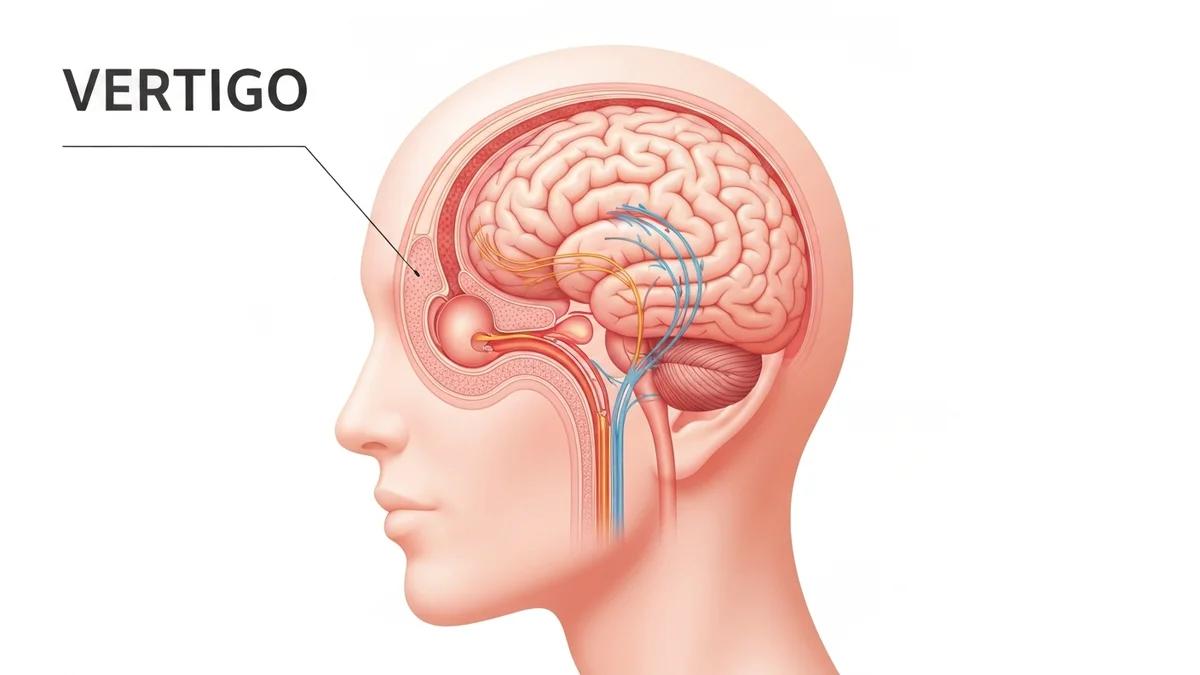
Quick answer: dehydration and dizziness should be understood by matching the symptom with timing, triggers, hearing symptoms, walking safety, faintness, migraine clues and red flags. This page gives patients a practical route for what to notice, what to avoid, and when ENT/vertigo review is safer.
Start with safety
Do not drive during active vertigo or severe imbalance. Weakness, slurred speech, double vision, severe new headache, fainting, chest pain, sudden hearing loss or inability to walk safely needs urgent care.
dehydration and dizziness: what should patients track?
Write down when it starts, how long it lasts, what triggers it, whether the room spins or the body feels faint, whether hearing or tinnitus changes, whether vomiting or falls occur, and which medicines were taken. A short diary often changes the diagnosis more than a long list of guesses.
Helpful next pages
What to tell the doctor first
Use simple words: room spinning, lightheaded, imbalance, blackout feeling, ear fullness, ringing, hearing change, eye shaking, nausea, headache or fear of falling. Then add the trigger: turning in bed, looking up, bending down, walking, travel, screen use, busy markets, loud sound, missed meals, dehydration, fever, ear pain, stress or poor sleep.
Also tell the doctor what makes the symptom settle. Sitting still, lying down, vomiting, sleep, water, food, a previous maneuver, or a medicine response can all be useful clues. If a family member saw the attack, their observation about eye movement, speech, walking and confusion can be very valuable.
What tests may be useful?
Tests depend on the pattern. Positional tests help when BPPV is suspected. Hearing tests help when tinnitus, ear fullness or hearing change is present. VNG can help when eye movements or vestibular weakness need assessment. Blood pressure, sugar, medicine review, imaging or neurology review may be needed when the story does not fit a simple ear cause.
A normal test does not mean the symptom is imaginary. An abnormal test also does not automatically choose one treatment. The best plan connects history, examination, reports, age, fall risk and warning signs.
What treatment route is usually discussed?
BPPV may need canal-specific positional treatment. Vestibular migraine needs trigger review and migraine-oriented planning. Meniere disease needs hearing history and follow-up. Hearing-linked problems may need audiometry and ear examination. Persistent imbalance may need vestibular rehabilitation. The goal is not just a chakkar tablet; the goal is a diagnosis-based plan.
Home safety while symptoms are active
Sit down during attacks, avoid stairs, avoid driving, avoid height work, keep the bathroom safer, and ask for help if walking feels unsafe. Older patients, people with diabetes, high blood pressure, heart disease, blood thinner use or repeated falls need extra caution.
Questions to ask before leaving
Ask what the working diagnosis is, what would make that diagnosis wrong, what warning signs need urgent care, what treatment is short-term symptom relief, what treatment addresses the cause, and when follow-up is needed. This prevents repeated visits where each visit starts again from memory.
How to judge improvement
Improvement means fewer attacks, shorter recovery, safer walking, less vomiting or panic, clearer hearing or tinnitus monitoring when relevant, and a family plan for what to do during an attack. If the pattern becomes different, stronger or unsafe, the plan should be reviewed rather than repeated blindly.
Before the next review
For three to seven days, keep a diary: time of symptom, duration, trigger, ear symptoms, headache, vomiting, medicine taken, walking safety and recovery time. Bring old prescriptions, hearing tests, VNG reports, scans and current medicine names.
For dehydration and dizziness, the practical goal is confidence and safety: fewer avoidable falls, clearer next steps, better report interpretation and less confusion about when urgent care is safer than waiting.
How this differs from common self-diagnosis
Many patients arrive with one label already in mind: gas, weakness, cervical, ear crystals, migraine, anxiety, dehydration or blood pressure. Sometimes that first guess is correct, but often the pattern is mixed. A short spinning attack after turning in bed behaves differently from a faint feeling while standing, a long vertigo attack with ear fullness, or imbalance that worsens in crowds and busy visual places.
The safest approach is to separate four questions. Is it true spinning or lightheadedness? Is there hearing or tinnitus change? Is walking unsafe? Are there neurological, heart, fainting or sudden hearing warning signs? These four questions decide whether routine ENT review, vestibular testing, hearing evaluation, neurology review or urgent care is the right route.
What not to do before diagnosis is clear
Do not keep changing medicines based only on internet lists. Do not repeat maneuvers when the side or canal is unknown. Do not drive during active symptoms. Do not climb ladders, work at height, bathe alone during severe attacks or walk on dark stairs at night. Do not ignore a new hearing change, severe headache, speech change, double vision, weakness, fainting or chest pain.
Patients often feel pressure to “just manage” because dizziness is invisible to others. But a fall, wrong medicine, delayed emergency care or wrong home exercise can make a simple problem more complicated. The plan should protect the patient first, then treat the likely cause.
How reports should be used
Reports are useful only when matched to the story. Audiometry helps when hearing, tinnitus or ear fullness is present. VNG and eye movement examination help when vestibular weakness, nystagmus or unclear balance patterns are suspected. Positional tests help when BPPV is likely. Blood tests or general physician review may help when faintness, dehydration, anemia, sugar, blood pressure or medicine effects are possible.
A report should answer a question. If the question is unclear, the report may confuse the patient more. Before any test, ask why it is being done, what result would change treatment, and what should be done if the result is normal but symptoms continue.
How families can describe an attack
Family members should note whether the patient could speak normally, walk straight, keep eyes open, hear normally, respond clearly, stand without support and recover fully. If possible, note the exact time and duration. Do not force food, water or walking during a severe attack. Help the patient sit or lie safely and watch for warning signs.
If an attack happens repeatedly, a family note can reveal patterns the patient misses: attacks after turning in bed, after travel, after salty meals, after poor sleep, during stress, in crowded markets, after missed meals, or with fluctuating hearing. These patterns often guide the next test or treatment.
What a useful written plan looks like
A good written plan should include the likely diagnosis, the next safest action, activity restrictions, home precautions, medicine duration if any, exercise instructions if any, warning signs, and follow-up timing. If the patient cannot repeat the plan in simple words, the plan needs to be made clearer.
The plan should also say what to do if symptoms return. For recurrent problems, this is crucial. Patients should not have to restart from zero each time or keep collecting unrelated treatments from different places. A consistent diary and report folder make follow-up safer and faster.
Why patient language matters
Words like chakkar, head spinning, room moving, faint feeling, blackout, ear blocked, ringing, tilting, unsteady, floating and panic do not all mean the same thing. The exact phrase a patient uses can reveal the system involved. Patients should describe the feeling naturally rather than trying to use technical terms.
Medical terms are useful after the pattern is understood. The first job is to translate the patient story into a safe clinical route. That is why this page keeps the explanation practical and focused on decisions, not only definitions.
When follow-up should not be delayed
Follow-up should be earlier if attacks become more frequent, recovery is slower, walking confidence drops, hearing changes, tinnitus becomes one-sided or severe, vomiting is repeated, falls occur, or medicines cause sleepiness and unsafe walking. A changing pattern deserves reassessment.
For older patients and people with other medical conditions, waiting too long can increase fall risk. It is better to clarify the route early than to keep suppressing symptoms without knowing the cause.
Simple checklist before calling it routine
Before calling any dizziness problem routine, confirm that the patient can walk safely, speak normally, see clearly, hear as usual, stay alert, keep fluids down and avoid falls. If any of these are not true, the situation needs faster review.
Keep the explanation practical: what is most likely, what is less likely, what would be dangerous, what to do today, what to avoid tonight, and when to return. This is the difference between a useful patient plan and a generic article. Write it down so the family can follow it during the next attack.
FAQ
What does dehydration and dizziness mean for patients?
It should be interpreted with timing, triggers, hearing symptoms, walking safety, red flags and prior reports, not as one isolated phrase.
When is urgent care safer?
Weakness, slurred speech, double vision, severe new headache, fainting, chest pain, sudden hearing loss, repeated vomiting or inability to walk safely needs urgent care.
Which doctor should assess this?
Recurrent vertigo, BPPV-like spinning, hearing change, tinnitus, migraine-linked dizziness, eye movement findings or balance problems are usually assessed by an ENT/vertigo clinician.
What should I carry for consultation?
Carry old prescriptions, hearing tests, VNG reports, scans, current medicines and a short diary with duration, triggers and warning signs.
References
Book an appointment or call/WhatsApp 7393062200 for vertigo evaluation.
Medical disclaimer: This page is for education only. Symptoms need individualized evaluation. Emergency warning signs should be handled in an emergency unit first.
Read next — from Dr. Porwal's vertigo library