
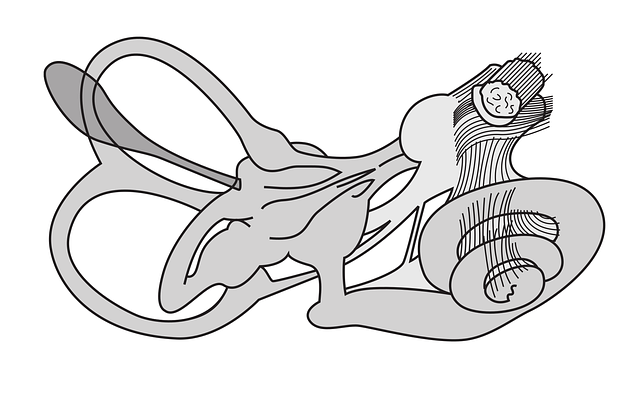
How BPPV is diagnosed
BPPV is diagnosed from the symptom history and a clinician-performed positional test that produces the expected pattern of vertigo and nystagmus. The test chosen depends on the suspected canal. A negative, atypical or poorly tolerated test may require repeat assessment, a different positional test or evaluation for another cause. Imaging and other tests are not routine for a typical confirmed case, but may be considered when findings are atypical or another diagnosis is suspected.
Which ear, side and canal has BPPV?
Symptoms alone cannot reliably identify the affected ear or canal. Feeling worse when rolling toward one side can be a useful part of the history, but it is not confirmation. A clinician uses the direction and pattern of nystagmus during a Dix–Hallpike test, supine roll test or another appropriate positional examination to identify the likely side and canal. Do not choose an Epley side only from which direction feels worse. Positional tests and manoeuvres may also be unsuitable for some people with neck, back, vascular, mobility or other medical limitations, so the pattern and safety limits should be assessed first.
Treatment expectations
A canal-specific repositioning manoeuvre is a recommended treatment for confirmed BPPV. Many patients improve, but no individual success rate, number of sessions or recovery time can be promised. Persistent or recurrent symptoms should prompt reassessment for the affected canal, another BPPV form, residual imbalance or a different or coexisting diagnosis.
After assessment or treatment
Temporary dizziness or imbalance can occur. Follow the treating clinician’s individual advice and obtain help if walking is unsafe. New weakness, speech difficulty, double vision, severe new headache, fainting, sudden hearing loss or inability to walk safely is not routine post-treatment dizziness and requires urgent assessment.
Driving and hazardous activity
Do not drive, ride a two-wheeler, work at height, swim alone or operate machinery while you have active vertigo, unsafe imbalance, visual disturbance, sedating medicine effects or unpredictable attacks. There is no universal “immediate,” next-day, 24-hour or two-day clearance rule. Return to driving depends on symptom control, recurrence risk, medicine effects, the clinician’s assessment, licence category and applicable Indian legal or occupational requirements. Arrange passenger transport after testing or treatment if you remain dizzy or unsteady.
Can BPPV recur?
Recurrence is possible. It does not automatically mean the previous diagnosis or treatment was wrong, but a new episode should not be assumed to be identical without reassessment—particularly when symptoms, hearing or neurological findings have changed.
References
- AAO-HNS — BPPV guideline summary
- AAO-HNS — BPPV Dix–Hallpike and repositioning measure
- NICE — Hearing-loss referral guidance
- NICE — Suspected neurological conditions
Medical Disclaimer: This article is for educational purposes only and does not constitute medical advice, diagnosis or prescribing guidance. Consult Dr. Prateek Porwal at Prime ENT Center, Hardoi for personalised treatment.
Read next — from Dr. Porwal's vertigo library
Related Patient Guides
Use these guides for broader symptom information, definitions and practical next steps.