
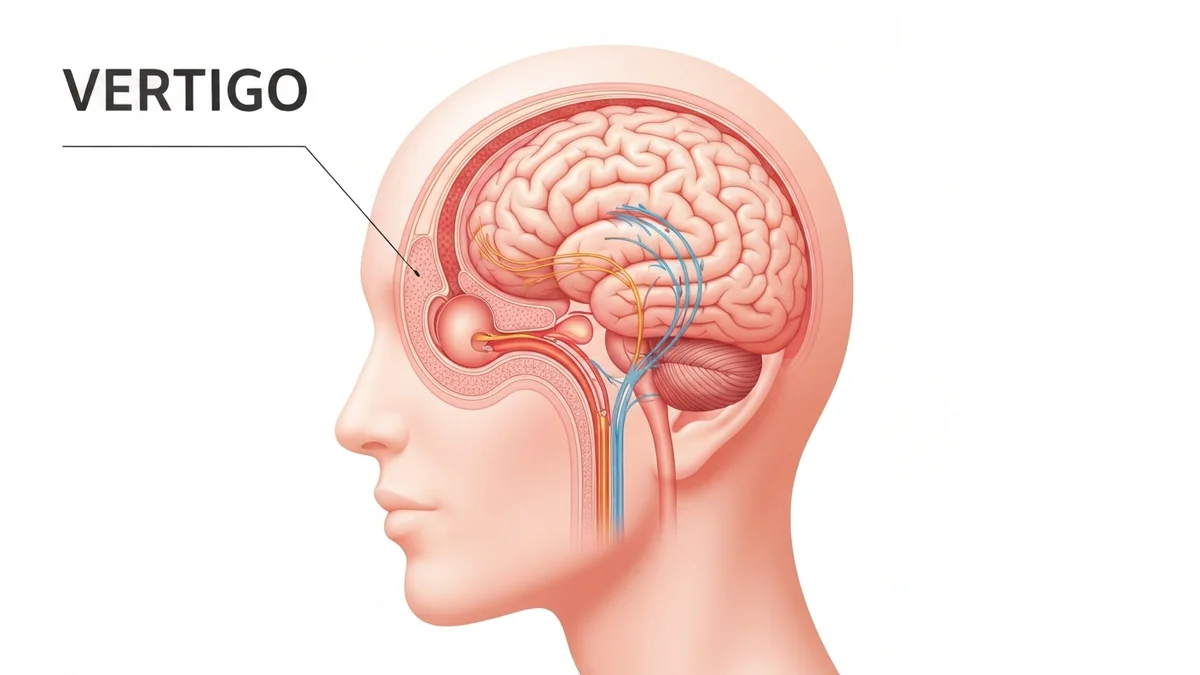
Quick answer: vertigo specialist Bangalore patients is best understood by matching the symptom pattern with timing, triggers, risk factors and warning signs. This guide explains what patients should notice, when routine review is enough, and when urgent care is safer.
What this page helps you understand
Use this page to connect your symptoms with the right care pathway, the most useful linked DRP guides, and the details worth telling the doctor.
vertigo specialist Bangalore patients: first choose the right path
Go to emergency care for weakness, facial droop, slurred speech, double vision, severe new headache, chest pain, palpitations with collapse, repeated vomiting, sudden hearing loss, a serious fall, seizure-like symptoms, or inability to walk safely. Book a clinic review when symptoms are recurrent, confusing, not improving, or affecting work, school, sleep, travel or confidence.
Helpful next pages
What to tell the doctor
Write when the problem started, what triggers it, how long it lasts, whether hearing, headache, vision, walking, fainting, vomiting or falls are involved, and which medicines, maneuvers, reports or videos you already have. A clear timeline often changes the diagnosis more than one isolated symptom word.
How Bangalore patients can prepare before consultation
Before travelling or booking online consultation, write the exact dizziness pattern. Mention whether it is spinning, floating, blackout, imbalance, fear of falling or motion sensitivity. Note triggers such as turning in bed, looking up, bending, screen work, travel, headache, ear fullness, tinnitus or hearing change.
If attacks are unpredictable, avoid driving yourself. Carry old prescriptions, audiometry, VNG, scans, blood tests, medicine list and videos if eye movements were recorded during an attack. Sudden severe symptoms, neurological signs, fainting, chest pain or sudden hearing loss should go to urgent care first.
Vertigo specialist for Bangalore patients often means sorting chakkar, screen-motion dizziness, classic BPPV, migraine-linked imbalance, or post-viral vestibular symptoms into the right diagnosis before more medicines are added. This page explains when a remote review is useful and when direct vestibular assessment is more likely to change management.
This matters because Bangalore patients commonly describe mixed triggers. Some feel worse with screens, motion, lifts, traffic, sleep debt, or visually busy workplaces. Others have classic bed-turning vertigo but remain untreated because the pattern was never properly confirmed. A good review has to separate these groups instead of collapsing them all into the word “vertigo.”
Why vertigo specialist for Bangalore patients often requires sharper history
A recurring problem is label compression. “Vertigo” gets used for spinning, rocking, motion sensitivity, post-viral unsteadiness, migraine-related disequilibrium, anxiety-amplified dizziness, and non-vestibular lightheadedness. Those are not the same clinical problem. If the history is not precise, medicines may suppress symptoms temporarily while the real diagnosis stays blurred.
In Bangalore patients, visually intense work and long urban commutes can also exaggerate certain patterns. That does not create the disorder by itself, but it can reveal whether the issue behaves more like vestibular migraine, persistent visual-motion sensitivity, incomplete BPPV treatment, or post-acute vestibular imbalance.
What an online review from Bangalore can achieve
An online consultation is useful when the case is stable enough for a detailed history and when the patient already has records that need interpretation in a vestibular context. Instead of asking whether a scan is “normal,” the better question is whether the overall symptom pattern fits a diagnosis that would actually change the plan.
For Bangalore patients, an online review can help answer:
- does this sound positional enough to suspect BPPV strongly?
- does migraine or visual-motion sensitivity explain more than an ear-only diagnosis?
- are prior MRI, CT, or VNG findings actually relevant to the current complaint?
- is travel for direct testing justified, or can the next step be organised remotely?
That first step can prevent unnecessary travel. It can also prevent long delays in patients whose pattern clearly needs direct positional testing or in-person vestibular assessment.
When Bangalore patients benefit from in-person evaluation
Travel becomes worthwhile when the diagnosis depends on bedside findings or when treatment itself is positional and technique-sensitive. This is especially true for suspected BPPV, recurrent vertigo with hearing fluctuation, dizziness that has relapsed after partial treatment, or chronic imbalance where the patient has never had a coherent vestibular workup.
An in-person visit may be more productive when you need:
- Dix-Hallpike or Roll testing because the history strongly suggests positional vertigo
- a treatment maneuver after prior incomplete or incorrect attempts
- hearing review or vestibular testing in the same clinical framework
- a direct exam because previous opinions conflict or remain vague
Reference: Vestibular Disorders Association diagnosis overview.
Common Bangalore patient profiles
One common profile is the tech professional whose dizziness worsens in visually loaded office environments, long meetings, and stressful schedules. Another is the patient with classic night-turning vertigo who improves for a few days and then relapses. Another is the migraine-prone patient who has ear symptoms at times and ends up moving between ENT and neurology without a stable explanation. There are also patients who feel chronically “off-balance” after a viral illness and are unsure whether the original event has resolved or evolved into a different recovery problem.
These are not niche stories. They are exactly the scenarios where proper pattern recognition is more valuable than generic dizziness treatment.
How to prepare for a Bangalore to Hardoi visit
If travel is being planned, come with a simple symptom timeline, copies of old reports, and a note of what reliably provokes the dizziness. If bed turning triggers it, identify the side if possible. If screens, malls, elevators, long drives, or travel worsen it, mention that clearly. If migraine, poor sleep, viral illness, anxiety, or neck pain are part of the story, include those details rather than assuming they are unrelated.
Also avoid trying to judge your condition only by whether you felt worse during the journey. Travel fatigue and dehydration can temporarily distort symptoms, so interpretation should focus on the larger pattern, not just the trip day.
What needs urgent local care in Bangalore first
Some patients should not plan distant travel before acute local evaluation. Seek urgent assessment in Bangalore first if the dizziness is accompanied by new weakness, facial asymmetry, slurred speech, sudden hearing loss, severe persistent vomiting, blackout spells, double vision, or inability to walk safely. Those situations need immediate triage before any elective specialist planning.
What a better second opinion should produce
A useful specialist opinion should end with a more defensible diagnosis range, a clear reason for any suggested test, and a realistic decision about whether direct evaluation or treatment is worth the trip. It should also identify where symptom-suppressing medicines are helping only temporarily and where they are simply delaying the real workup.
Related reading for Bangalore patients
- Travel and vertigo precautions
- Vestibular rehabilitation therapy
- Why dizziness pills can become a trap
Patient note: A second opinion is most useful when it produces a clearer diagnosis and next-step plan, not just another short prescription cycle.
This article is for educational use. Emergency symptoms require immediate local care. Travel decisions should be based on symptom severity, examination needs, and prior workup.
Book a consultation: WhatsApp or call +91 7393062200 — Dr. Prateek Porwal, ENT specialist.
Vertigo specialist Bangalore patients: routine clinic or urgent care?
Routine vertigo review is useful when dizziness repeats, affects travel or work, or seems linked with turning in bed, migraine, tinnitus, hearing change or imbalance. Bangalore patients often already have prescriptions or scans; the important next step is to connect those reports with the exact symptom pattern.
Urgent care is safer when dizziness comes with weakness, slurred speech, double vision, severe new headache, fainting, chest pain, sudden hearing loss, repeated vomiting, a serious fall or inability to walk safely. These warning signs should not wait for a routine online consultation.
How to make the consultation more useful
Send a short timeline before the visit: first attack date, attack duration, triggers, ear symptoms, headache or light sensitivity, falls, medicines tried and test reports. This helps decide whether the first step is positional testing, hearing evaluation, VNG, migraine assessment or another medical review.
What not to miss before travel
If dizziness happens while walking, on stairs, in traffic or during work, plan support for travel and avoid self-driving until the pattern is clear. Bring spectacles, hearing aids, medicine strips and previous reports. If attacks are positional, note the exact side and movement that starts the spinning.
FAQ
When should Bangalore patients look for a vertigo specialist?
Repeated spinning, positional dizziness, imbalance, falls, tinnitus, hearing change or migraine-linked dizziness should be assessed with a clear timeline.
What reports should I carry?
Carry prescriptions, audiometry, VNG, scans, blood reports, medicine list and a short note of triggers, duration and associated symptoms.
Can online consultation help first?
It can help triage symptoms and plan tests, but severe red flags, sudden hearing loss or unsafe walking need urgent in-person care.
When is emergency care safer?
Weakness, slurred speech, double vision, severe new headache, fainting, chest pain, sudden hearing loss or inability to walk safely need urgent care.
References
Book an appointment or call/WhatsApp 7393062200 for vertigo evaluation.
Medical disclaimer: This page is for education only. Symptoms need individualized evaluation. Emergency warning signs should be handled in an emergency unit first.
Read next — from Dr. Porwal's vertigo library