
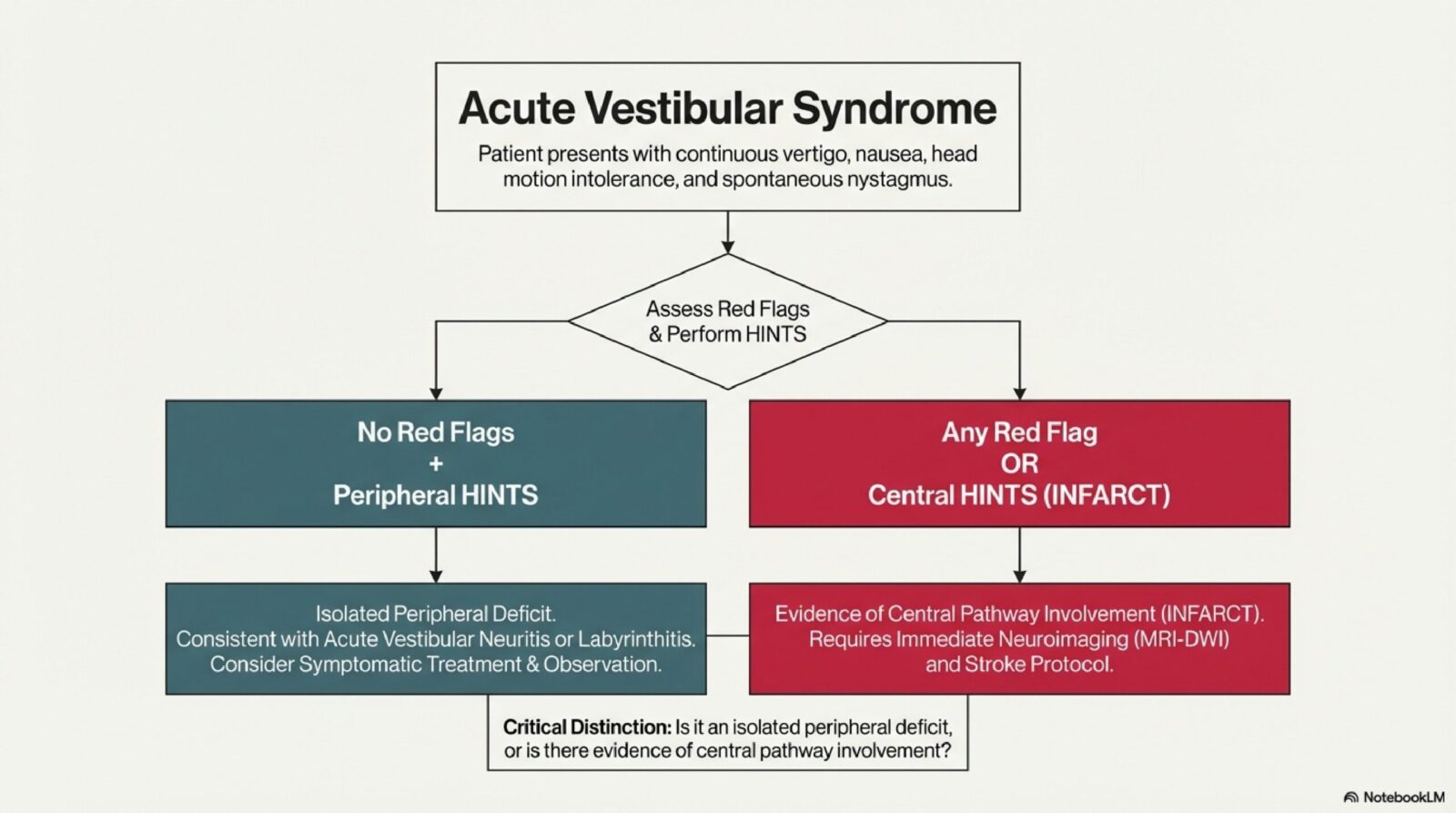
A vertigo specialist for Shahjahanpur patients should begin with the symptom pattern, not assume that every episode of “chakkar” is BPPV. Brief spinning triggered by rolling in bed can need positional testing, while continuous dizziness, hearing change, migraine features, fainting or neurological warning signs require a different pathway.
For patients travelling from Shahjahanpur
Prime ENT Center is in Hardoi; there is no DRP branch in Shahjahanpur. Route and travel time vary, so confirm the appointment and any test-specific preparation before starting the journey.
Vertigo specialist Shahjahanpur: start with timing and triggers
Vertigo is a sensation, not a single diagnosis. A useful assessment asks whether symptoms are continuous or episodic, how long each episode lasts, whether head movement or standing triggers it, and whether hearing loss, tinnitus, headache, double vision, fainting, vomiting or walking difficulty occurs with it.
This history guides the examination and helps decide whether the next step is a positional test, hearing assessment, selective vestibular testing, medical review, neurology referral or emergency care.
When BPPV is possible
Benign paroxysmal positional vertigo (BPPV) commonly causes brief spinning after a head-position change, such as rolling in bed, lying back, looking up or bending. It occurs when otoconia move into a semicircular canal and stimulate the balance system during particular movements.
Diagnosis is usually based on the history plus observed nystagmus during positional testing. The Dix–Hallpike test is used for suspected posterior-canal BPPV, while the supine roll test helps assess possible lateral-canal BPPV. If a canal pattern is confirmed, the clinician selects a corresponding repositioning procedure.
What VNG and stabilometry can—and cannot—show
Videonystagmography (VNG) records eye movements during parts of a vestibular assessment. It can help document nystagmus or investigate an unclear or more complex balance problem. Stabilometry can quantify aspects of standing balance and may support assessment in selected patients.
Neither test independently diagnoses every cause of dizziness. Results must be interpreted with the history and clinical examination. Guidelines advise against routine vestibular testing when a patient clearly meets the criteria for typical BPPV without additional atypical signs.
Local facility note: As of August 2026, Prime ENT Center is the only clinic within a 150 km radius offering both VNG and stabilometry. This owner-verified facility fact does not mean every vertigo patient needs either test. Confirm current availability when booking.
Online consultation or in-person assessment?
| Online consultation can help with | In-person assessment is needed for |
|---|---|
| Reviewing the symptom timeline, medicines and previous reports | A complete ear, eye-movement, neurological, gait or balance examination |
| Explaining likely care pathways and whether travel is reasonable | Dix–Hallpike and other positional tests |
| A second opinion on existing reports | Repositioning maneuvers, hearing tests, VNG or stabilometry |
A video visit cannot reproduce every positional test or replace an emergency examination. It is best used for history review, triage and planning when an immediate physical examination is not required.
Can diagnosis and treatment happen on the same day?
An initial assessment and treatment decision may sometimes occur during one visit, and confirmed BPPV may be treated with a repositioning maneuver at that appointment. However, no page should guarantee a same-day diagnosis, improvement or return journey. Some patients need additional tests, repeat treatment, observation or referral.
Response to a maneuver varies. Some people improve promptly, while others have residual imbalance or persistent symptoms that need reassessment. Follow-up is important when symptoms do not resolve or recur.
Other causes considered during a vertigo assessment
- vestibular neuritis or another acute peripheral vestibular disorder;
- Ménière disease, especially with fluctuating hearing, tinnitus or ear pressure;
- vestibular migraine;
- medical causes such as dehydration, blood-pressure change, anaemia, low glucose, infection or a medicine effect;
- cardiac causes when dizziness is linked to exertion, palpitations or fainting; and
- central neurological causes when the pattern or examination is atypical.
When to use the nearest emergency service in Shahjahanpur
Do not travel to a routine clinic appointment if new dizziness or vertigo occurs with:
- facial droop, weakness, numbness, slurred speech or confusion;
- double vision, severe inability to walk or loss of coordination;
- a sudden severe headache, seizure, collapse or loss of consciousness;
- chest pain, severe breathlessness or palpitations with fainting;
- repeated vomiting with inability to keep fluids down;
- sudden hearing loss; or
- a serious fall or head injury.
These features require time-sensitive assessment at the nearest appropriate service. They should not be treated as ordinary BPPV based on a web page or remote self-test.
Planning a visit from Shahjahanpur to Hardoi
Call before travelling, particularly if imbalance affects walking or driving. Ask a family member to accompany you when symptoms create a fall or road-safety risk, and do not drive yourself during active vertigo.
Bring a current medicine list and obtain individualized preparation instructions if a test is being considered. Do not automatically stop anti-vertigo or other medicines for 48 hours: the decision depends on the medicine, the proposed test and your medical history.
What to bring
- a brief timeline of onset, episode duration and triggers;
- notes about hearing change, tinnitus, headache, vision, fainting, vomiting or falls;
- a current medicine list;
- previous audiograms, scans, blood tests or vestibular reports; and
- a companion if walking or travel is unsafe without support.
Frequently asked questions
Is there a DRP vertigo clinic in Shahjahanpur?
No. Prime ENT Center is in Hardoi. This page explains the care pathway for Shahjahanpur patients considering a clinic or online assessment.
Does every patient need VNG?
No. The clinician should first decide whether the history and examination answer the clinical question. Typical BPPV may be diagnosed with positional testing without routine vestibular laboratory tests.
Can BPPV be treated without medicine?
BPPV is usually treated with a canal-specific repositioning procedure rather than routine vestibular-suppressant medication. Medicines may still be appropriate for nausea or another diagnosed condition, so individual advice matters.
Will one maneuver cure every case?
No. The maneuver must match the observed canal pattern, and some patients need repeat treatment or reassessment. A responsible clinic should explain the findings and plan without promising a fixed result.
Can I return home the same day?
Many outpatient visits do not require admission, but the safe travel plan depends on the diagnosis, symptoms, treatment response and whether someone can accompany you. This cannot be guaranteed before assessment.
Book an assessment
Prime ENT Center, Hardoi
Use the appointment page or call/WhatsApp 7393062200. Mention that you are travelling from Shahjahanpur and describe the timing, duration and triggers of the dizziness.
Related guides
- Vertigo diagnosis guide
- BPPV treatment
- VNG testing for vertigo
- Online vertigo consultation
- Vertigo red-flag check
References
- Clinical Practice Guideline: Benign Paroxysmal Positional Vertigo (Update)
- GRACE-3: Acute dizziness and vertigo in the emergency department
- VNG/ENG Testing
Medical disclaimer: This page is for education only and does not diagnose the cause of dizziness or replace an individual examination. Seek emergency care for new neurological symptoms, collapse, severe inability to walk, sudden severe headache, chest symptoms, serious injury or sudden hearing loss.
Read next — from Dr. Porwal's vertigo library