
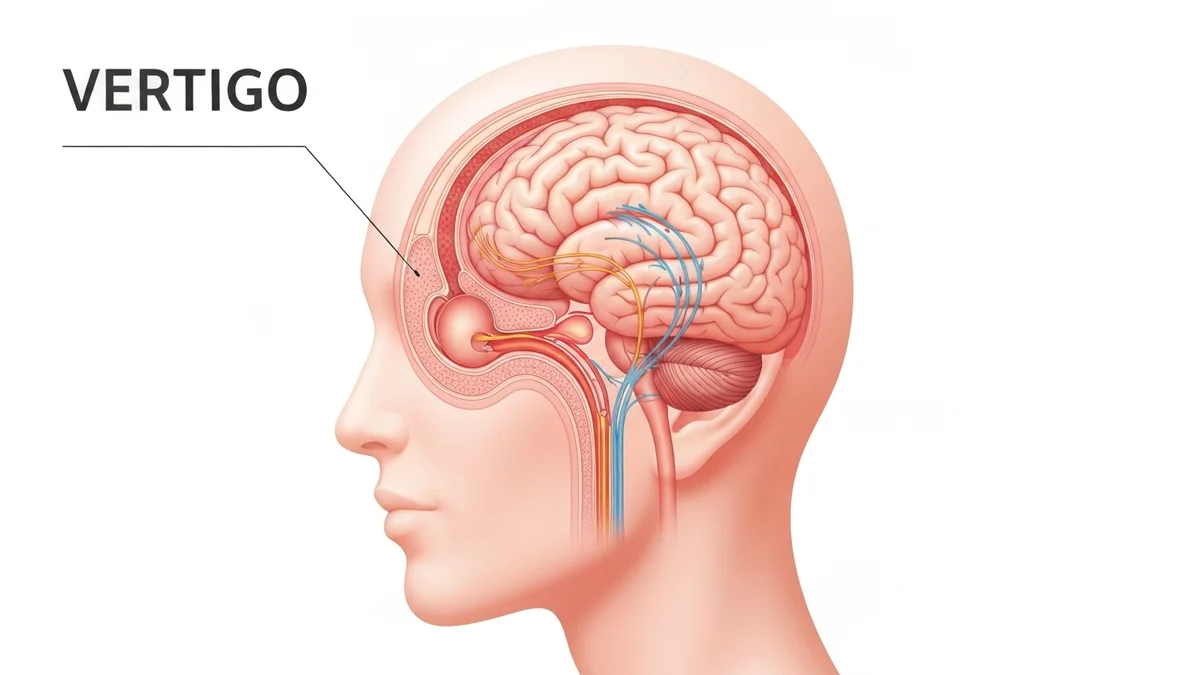
The Dizziness Handicap Inventory (DHI) is a 25-question form used to estimate how dizziness affects daily activity, emotions, confidence, travel, work, and movement. It does not diagnose the cause of dizziness by itself, but it helps track how much the problem is affecting real life.
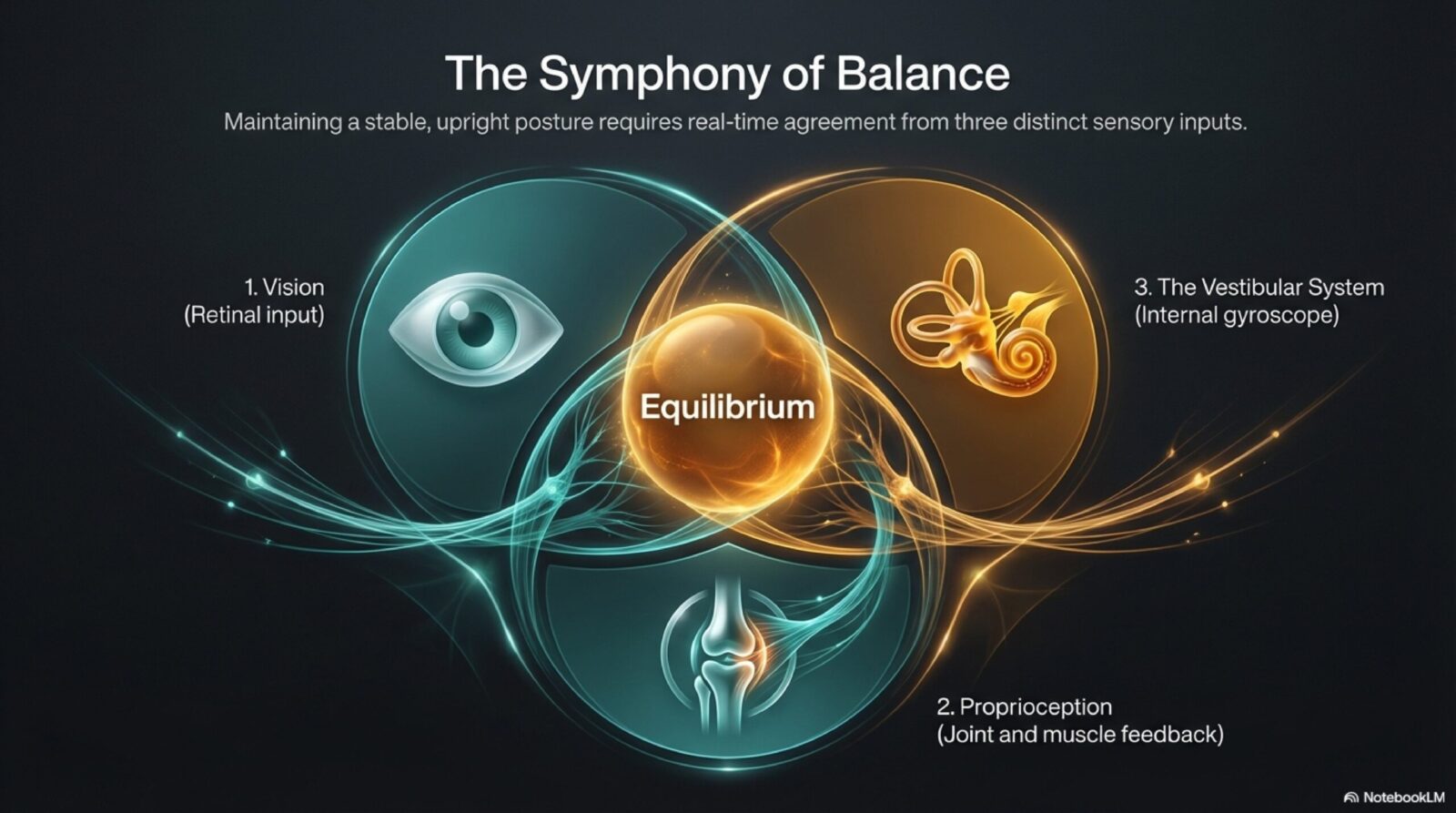
Dizziness Handicap Inventory: quick answer
DHI gives a score from 0 to 100. A higher score usually means dizziness is causing more physical limitation, emotional distress, and daily-life restriction. The score should be interpreted with history, examination, vestibular testing, hearing clues, blood pressure, medicine review, migraine screening, and red flags.
What the DHI score means
The commonly used interpretation is: lower scores suggest mild handicap, middle-range scores suggest moderate handicap, and higher scores suggest severe impact. These categories are useful for follow-up, but they are not a diagnosis and should not be used to decide treatment without clinical review.
- Physical: movement, looking up, bending, walking, and activity-related dizziness.
- Emotional: frustration, fear, anxiety, embarrassment, and confidence loss.
- Functional: work, travel, social activity, household tasks, and independence.
Why DHI does not diagnose the cause
A high DHI score can happen with BPPV, vestibular migraine, Meniere’s disease, PPPD, bilateral vestibular loss, medication side effects, orthostatic dizziness, anxiety-related dizziness, visual vertigo, or neurological disease. The same score can come from very different causes.
How it helps treatment follow-up
Repeating DHI during vestibular rehabilitation or chronic dizziness treatment can show whether function is improving. A useful improvement is not only a lower number; it should match better walking confidence, fewer avoided situations, safer activity, improved sleep, reduced rescue medicine, or return to work and travel.
Red flags
A DHI form should never hide urgent symptoms. Fainting, chest pain, one-sided weakness, slurred speech, double vision, new severe headache, sudden hearing loss, repeated falls, or inability to walk needs medical assessment rather than only score tracking.
How to use DHI safely at follow-up
The most useful DHI score is not a single number on one day. It becomes more helpful when the same patient repeats it after treatment, vestibular rehabilitation, medicine review, migraine control, BPPV maneuvers, or breathing and balance retraining. A falling score should match a real-life change: walking with more confidence, fewer avoided places, less fear of movement, safer stairs, better travel, or fewer dizzy spells during routine work.
A score that stays high needs a careful review rather than blame. Persistent disability may mean the original diagnosis was incomplete, the patient has more than one cause of dizziness, home exercises are too difficult, anxiety and visual dependence are maintaining symptoms, or red flags need a different medical pathway. DHI helps open that conversation, but the score should not be used alone to label a patient as improving or not improving.
What to tell the doctor with your DHI score
Bring the score with the story behind it. Note whether dizziness feels like spinning, light-headedness, imbalance, floating, fear of falling, motion sensitivity, or visual overload in markets and traffic. Mention hearing loss, tinnitus, ear fullness, headache, neck pain, fainting, new medicines, blood pressure changes, diabetes, sleep loss, panic symptoms, falls, and which movements trigger symptoms. This makes the DHI more clinically useful because it connects disability with the likely mechanism.
When a low DHI score can still matter
Some patients score low because they have already stopped the activities that provoke dizziness. For example, a person may avoid driving, stairs, crowded markets, exercise, or long travel and therefore report fewer symptoms. That does not always mean the vestibular problem is mild. The avoided activities, fall risk, work impact, and confidence loss should be discussed even when the number does not look severe.
Common mistakes with DHI scoring
- Using DHI as a diagnosis instead of a disability and follow-up tool.
- Comparing two different patients only by score, without age, job, fall risk, and medical history.
- Ignoring sudden neurological, cardiac, hearing, or fainting symptoms because the questionnaire was completed.
- Repeating the score too often without changing the treatment plan or rehabilitation target.
Related guides
- Chronic vertigo guide
- PPPD treatment guide
- Vestibular rehabilitation therapy
- Vertigo diagnosis guide
- Vertigo red flag check
References
- Jacobson GP, Newman CW. The development of the Dizziness Handicap Inventory. Arch Otolaryngol Head Neck Surg. 1990;116(4):424-427.
- Staab JP, Eckhardt-Henn A, Horii A, et al. Diagnostic criteria for persistent postural-perceptual dizziness. J Vestib Res. 2017.
- McDonnell MN, Hillier SL. Vestibular rehabilitation for unilateral peripheral vestibular dysfunction. Cochrane Database Syst Rev. 2015.
Book an appointment or call/WhatsApp 7393062200 for dizziness evaluation and vestibular rehabilitation planning.
Medical disclaimer: This page is for education only. Dizziness can be vestibular, neurological, cardiac, medication-related, functional, or anxiety-linked. Diagnosis should be individualized after clinical evaluation.