
Some medicines can cause dizziness or vertigo as a side effect — this is called drug-induced vertigo, and it's more common than many people realise. It can happen because a medicine lowers blood pressure, affects the brain's alertness, disturbs balance, or, less often, affects the inner ear itself. The important thing to know is that this is usually manageable and often reversible once identified — but the solution is not to stop your medicine on your own. Suddenly stopping some medicines can be harmful. Instead, note when the dizziness started, which medicines you take, and discuss it with your doctor. If dizziness is severe or comes with warning signs (below), seek care promptly. To review your case, book a consultation.
What is drug-induced vertigo?
It simply means dizziness or a spinning/unsteady feeling caused (or worsened) by a medicine or a combination of medicines. It's especially common when a new medicine is started, a dose is increased, or several medicines are taken together — which is why it's often seen in older adults on multiple prescriptions.
Types of medicines that can be involved
Several general categories can cause dizziness (this is not a complete list, and it does not mean these medicines are unsafe — many are essential):
- Blood-pressure and heart medicines — by lowering blood pressure, especially on standing
- Sedatives, sleep, and anti-anxiety medicines — by reducing alertness
- Some antidepressants and anti-seizure medicines
- Certain pain medicines and muscle relaxants
- Diuretics ("water tablets") — through fluid/salt changes
- Alcohol, which adds to the effect of many of the above
Ototoxic medicines (that can affect the inner ear)
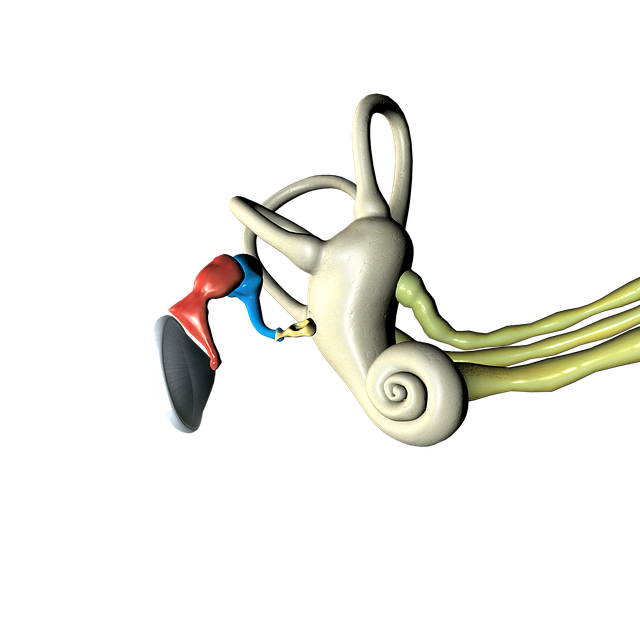
A smaller group of medicines can affect the inner ear ("ototoxic"), sometimes causing vertigo, imbalance, or hearing changes — for example certain antibiotics, some chemotherapy agents, and high doses of a few common medicines. These are used carefully and monitored by doctors when needed.
How to tell if a medicine is the cause
Clues include dizziness that started after a new medicine or dose change, that's worse at peak effect times, or that improves when a doctor adjusts the medicine. Because dizziness has many causes, your doctor will consider your full medicine list alongside other possibilities.
What to do
- Do not stop or change any prescribed medicine on your own.
- Make a list of everything you take (including over-the-counter and herbal products) and when the dizziness occurs.
- Tell your doctor — they can review the list, and where appropriate adjust, switch, or re-time a medicine, or look for another cause.
- Rise slowly and sit down at the first sign of dizziness to avoid falls.
Red flags — seek urgent care
Seek care promptly if dizziness comes with fainting, chest pain, a very irregular heartbeat, sudden weakness or numbness, facial droop, slurred speech, severe headache, or sudden hearing loss.
Consult Dr. Prateek Porwal
If you suspect a medicine is making you dizzy, a review can help sort out the cause safely. Dr. Prateek Porwal, ENT and vertigo specialist at Prime ENT Center, can assess vertigo and coordinate with your prescribing doctor.
👉 Book an appointment or contact us on WhatsApp.
FAQ
Can medicines cause vertigo?
Yes — several common medicine types can cause dizziness or vertigo, especially when started, increased, or combined.
Will it go away if the medicine is changed?
Often it improves once the responsible medicine is adjusted or switched — but this must be done by your doctor, not on your own.
Should I stop the medicine myself?
No. Stopping some medicines suddenly can be harmful. Raise it with your doctor instead.
Which symptoms need urgent care?
Fainting, chest pain, irregular heartbeat, weakness/numbness, facial droop, slurred speech, severe headache, or sudden hearing loss.
References
Medical disclaimer: This page is for patient education only and does not replace examination, diagnosis, emergency care, or a personalized treatment plan from a qualified doctor.
Read next — from Dr. Porwal's vertigo library