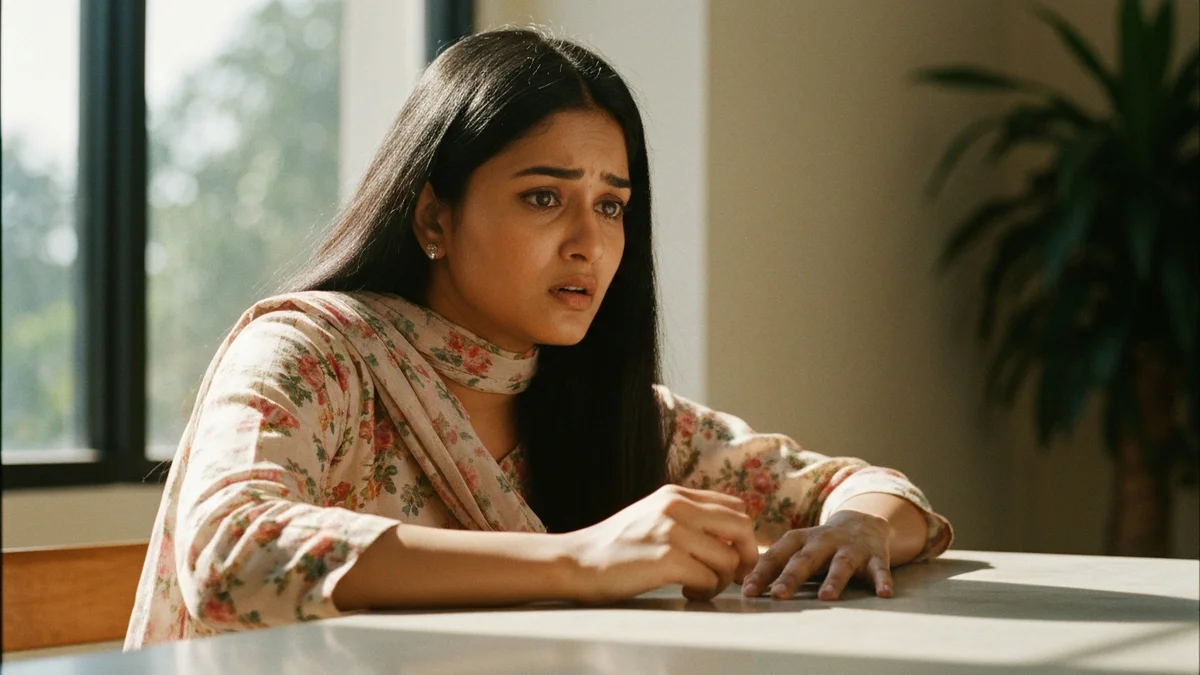
BPPV full form in medical is Benign Paroxysmal Positional Vertigo. In Gujarati, many patients call it કાનની પથરીથી ચક્કર because tiny inner-ear crystals shift into a balance canal.

BPPV symptoms are brief room-spinning attacks when rolling in bed, looking up, bending down, or getting up. The usual BPPV treatment is a canal-specific repositioning maneuver such as Epley after the correct side and canal are identified.

If dizziness is constant, comes with weakness, double vision, fainting, severe headache, or sudden hearing loss, do not assume BPPV. Those red flags need urgent medical review.

BPPV ચક્કર નો અર્થ છે positional vertigo જે કાનના અંદરના ભાગમાં રહેલા નાના crystals ખસી જવાથી થાય છે. BPPV નું full form Benign Paroxysmal Positional Vertigo છે. સામાન્ય રીતે દર્દીને પથારીમાં બાજુ ફેરવતી વખતે, ઉપર જોતી વખતે, નીચે વળતી વખતે અથવા સવારે ઊઠતી વખતે રૂમ ગોળ ફરતો હોય એવું લાગે છે.

BPPV ચક્કર, કાનની પથરી અને Epley maneuver વિશે ગુજરાતી માર્ગદર્શન

સરળ ભાષામાં: BPPV માં મગજને કાન તરફથી ખોટો balance signal મળે છે. શરીર સ્થિર હોય છતાં અંદરથી લાગે કે બધું ફરી રહ્યું છે. આ સમસ્યા સામાન્ય છે, સારવાર થઈ શકે તેવી છે, અને યોગ્ય તપાસ પછી ઘણા દર્દીઓને canalith repositioning maneuver જેમ કે Epley maneuver થી ઝડપથી રાહત મળે છે.

BPPV full form શું છે?

BPPV નું full form Benign Paroxysmal Positional Vertigo છે. “Benign” એટલે સામાન્ય રીતે જીવલેણ નથી, “Paroxysmal” એટલે અચાનક હુમલા જેવી રીતે આવે છે, “Positional” એટલે માથાની પોઝિશન બદલતા થાય છે, અને “Vertigo” એટલે રૂમ ફરતો હોય તેવી spinning sensation.

કાનમાં પથરી એટલે શું?

અંદરના કાનમાં સંતુલન માટે ત્રણ semicircular canals અને otolith organs હોય છે. તેમાં નાના calcium carbonate crystals હોય છે. જ્યારે આ ક્રિસ્ટલ પોતાની જગ્યાથી ખસી semicircular canal માં જાય છે, ત્યારે માથું હલાવતાં કાન ખોટો signal મોકલે છે. આને ઘણા દર્દીઓ “કાનની પથરી ખસવી” તરીકે સમજતા હોય છે.

આ પથરી kidney stone જેવી નથી અને operation કરીને કાઢવાની જરૂર પડતી નથી. યોગ્ય પરીક્ષણ પછી ડૉક્ટર માથા-શરીરની ખાસ પોઝિશનથી આ ક્રિસ્ટલને પાછી યોગ્ય જગ્યાએ લઈ જવાનો maneuver કરે છે.

BPPV ચક્કરના સામાન્ય લક્ષણો

  • પથારીમાં જમણી કે ડાબી બાજુ ફેરવતા રૂમ ફરવો.
  • સવારે ઊઠતાં, નીચે વળતાં અથવા ઉપર જોતા ચક્કર આવવું.
  • ચક્કર સામાન્ય રીતે સેકન્ડોમાં શરૂ થઈ સેકન્ડો કે એક મિનિટમાં ઘટે.
  • ચક્કર સાથે ઊબકા, ગભરામણ અથવા થોડી અસ્થિરતા રહેવી.
  • દરેક attack પછી થોડા સમય માટે માથું ભારે કે balance નબળું લાગે.

BPPV માં સામાન્ય રીતે સતત આખો દિવસ રૂમ ફરતો રહેતો નથી. જો ચક્કર કલાકો કે દિવસો સુધી સતત રહે, સાંભળવામાં ફેરફાર આવે, કાનમાં ભારેપણું રહે અથવા નવા neurological symptoms હોય, તો બીજી શક્યતાઓ પણ તપાસવી પડે.

ક્યારે તરત ડૉક્ટર અથવા ઇમરજન્સી બતાવવી?

દરેક ચક્કર BPPV નથી. નીચેના લક્ષણોમાં ઘરગથ્થુ maneuver અથવા self-treatment ન કરવું:

  • શરીરના એક બાજુ નબળાઈ, ચહેરો વાંકો થવો અથવા બોલવામાં તકલીફ.
  • ડબલ દેખાવું, ચાલવામાં અસમર્થતા અથવા ખૂબ severe imbalance.
  • અચાનક ખૂબ તીવ્ર માથાનો દુખાવો.
  • બેભાન થવું, છાતીમાં દુખાવો અથવા શ્વાસમાં તકલીફ.
  • અચાનક સાંભળવામાં ઘટાડો, કાનમાં તીવ્ર અવાજ અથવા કાનમાંથી પાણી/લોહી.
  • તાજેતરની માથા કે ગળાની ઇજા પછી ચક્કર.

આવા લક્ષણો stroke, inner-ear infection, vestibular neuritis, Meniere disease, migraine, blood pressure, sugar અથવા અન્ય ગંભીર કારણ સાથે જોડાયેલા હોઈ શકે છે. સુરક્ષિત નિર્ણય માટે ENT/vertigo specialist ની તપાસ જરૂરી છે.

BPPV diagnosis કેવી રીતે થાય?

BPPV ની diagnosis સામાન્ય રીતે દર્દીની history અને positional tests પરથી થાય છે. ડૉક્ટર પૂછે છે કે ચક્કર કેટલો સમય રહે છે, કઈ પોઝિશનમાં આવે છે, કાનના symptoms છે કે નહીં, migraine અથવા fainting જેવી history છે કે નહીં.

Posterior canal BPPV માટે Dix-Hallpike test ઉપયોગી છે. Horizontal canal BPPV માટે roll test થાય છે. Test દરમિયાન આંખમાં ખાસ પ્રકારનું nystagmus દેખાય તો canal અને side ઓળખવામાં મદદ મળે છે. VNG જેવી vestibular testing જટિલ, વારંવાર આવતી અથવા mixed dizziness માં મદદરૂપ થઈ શકે છે.

BPPV અને બીજા ચક્કરમાં શું ફરક?

BPPV માં મુખ્ય clue છે માથાની પોઝિશન બદલતા ટૂંકા સમયનું spinning vertigo. Vestibular neuritis માં ચક્કર ઘણા કલાકો કે દિવસો સુધી સતત રહી શકે છે અને શરૂઆતમાં ઊબકા-ઉલટી વધારે હોય છે. Meniere disease માં vertigo સાથે કાનમાં ભારેપણું, tinnitus અને સાંભળવામાં આવતો-જતો ઘટાડો જોવા મળી શકે છે. Vestibular migraine માં headache, light sensitivity, sound sensitivity, motion sensitivity અથવા migraine history જોડાયેલી હોઈ શકે છે.

આ ફરક મહત્વનો છે કારણ કે BPPV માટે maneuver મુખ્ય સારવાર છે, જ્યારે migraine, Meniere disease, neuritis, blood pressure અથવા anxiety-related dizziness માટે સારવાર અલગ હોય છે. એક જ દર્દીને એકથી વધુ કારણો પણ હોઈ શકે છે. તેથી ચક્કર વારંવાર આવે, pattern બદલાય, અથવા maneuver પછી પણ symptoms ચાલુ રહે તો ફરી clinical review કરાવવો જોઈએ.

ઘણા દર્દીઓ BPPV માં સીધું MRI અથવા લાંબી દવાઓ તરફ જાય છે. MRI દરેક BPPV દર્દીને જરૂરી નથી; પરંતુ neurological red flags, atypical nystagmus, નવા severe headache, weakness, double vision, fainting અથવા test pattern સ્પષ્ટ ન હોય ત્યારે broader evaluation જરૂરી થઈ શકે છે. યોગ્ય history અને positional testing ઘણીવાર સૌથી વધુ ઉપયોગી શરૂઆત છે.

BPPV treatment: Epley maneuver અને અન્ય ઉપચાર

BPPV માં મુખ્ય સારવાર tablet નથી. મુખ્ય સારવાર canalith repositioning maneuver છે. Posterior canal BPPV માં Epley maneuver ઘણીવાર ઉપયોગી છે. કેટલીક સ્થિતિમાં Semont maneuver, BBQ roll maneuver અથવા બીજી canal-specific technique જરૂરી બની શકે છે.

ચક્કર બહુ વધારે હોય તો થોડા સમય માટે nausea અથવા motion-sickness medicine આપી શકાય, પરંતુ લાંબા સમય સુધી dizziness tablets લેવી BPPV નો મૂળ ઉપચાર નથી. ખોટી દવા ઉપર આધાર રાખવાથી diagnosis મોડું પડી શકે છે અને balance recovery ધીમી થઈ શકે છે.

ઘરે Epley કરવી સુરક્ષિત છે?

કેટલાક દર્દીઓ માટે ઘરે Epley maneuver શીખવી શકાય છે, પણ પહેલા diagnosis સાચી હોવી જોઈએ. કઈ canal અસરગ્રસ્ત છે અને કઈ side છે તે ખબર ન હોય તો ખોટી maneuver થી ચક્કર વધી શકે અથવા crystal બીજી canal માં જઈ શકે. ગળાની સમસ્યા, spine problem, stroke risk, severe vomiting, pregnancy, elderly fall risk અથવા unusual symptoms હોય તો ઘરે maneuver કરતા પહેલાં ડૉક્ટરથી માર્ગદર્શન લેવું.

BPPV ફરી આવી શકે?

હા, BPPV ફરી આવી શકે છે. ઉંમર, vitamin D deficiency, migraine, head injury, diabetes, લાંબો bed rest અને અગાઉના BPPV attacks recurrence સાથે જોડાઈ શકે છે. વારંવાર BPPV થાય તો માત્ર ફરી maneuver કરવાની જગ્યાએ કારણો, hearing, vestibular function અને fall risk પણ તપાસવા જોઈએ.

જો ચક્કરનું pattern બદલાય, પહેલા કરતાં લાંબું ચાલે, એક જ side પર વારંવાર પાછું આવે, અથવા Epley પછી થોડા દિવસમાં ફરી શરૂ થાય, તો જૂની diagnosis માનીને ઘરેથી વારંવાર maneuver ન કરવી. ફરી positional test કરીને canal બદલાઈ છે કે બીજું કારણ છે તે જોવું વધુ સુરક્ષિત છે.

ચક્કર હોય ત્યારે શું ધ્યાન રાખવું?

  • Attack દરમિયાન બેસી જવું અથવા સહારો પકડવો.
  • ડ્રાઇવિંગ, ladder, bathroom fall risk અને machinery થી દૂર રહેવું.
  • ચક્કર કઈ પોઝિશનમાં આવે છે તે નોંધવું.
  • નવા neurological symptoms હોય તો રાહ ન જોવી.
  • લાંબા સમય સુધી પોતાની મરજીથી vertigo medicines ન લેવી.

Epley પછી શું અપેક્ષા રાખવી?

Epley અથવા બીજી repositioning maneuver પછી ઘણા દર્દીઓને તરત ફરક લાગે છે, પરંતુ થોડું ભારેપણું, હળવું imbalance અથવા “માથું ખાલી લાગે” એવો અનુભવ એક-બે દિવસ રહી શકે છે. આ દરેક વખતે failure નથી. જો spinning attacks સ્પષ્ટ રીતે ઘટે છે અને માત્ર હળવી અસ્થિરતા રહે છે, તો ડૉક્ટર balance recovery, hydration, ઊંઘ અને સુરક્ષિત movement વિશે સલાહ આપી શકે છે.

પરંતુ maneuver પછી સતત ઉલટી, ચાલવામાં વધારે તકલીફ, સાંભળવામાં ઘટાડો, કાનમાં નવો તીવ્ર અવાજ, severe headache અથવા neurological symptoms થાય તો ફરી તપાસ જરૂરી છે. ખાસ કરીને વૃદ્ધ દર્દીઓમાં fall prevention મહત્વપૂર્ણ છે: bathroom માં support, રાત્રે પૂરતી light, ધીમે ઊઠવું અને attack સમયે એકલા ચાલવાનું ટાળવું.

દવા, diet અને exercise વિશે સામાન્ય પ્રશ્નો

BPPV માં vitamin, diet અથવા tablet માત્રથી crystal પાછી જગ્યા પર નથી જતી. જો vitamin D deficiency હોય તો ડૉક્ટર તેની સારવાર કરી શકે છે, પરંતુ BPPV attack માટે સાચી canal-specific maneuver જ મુખ્ય રહે છે. Salt restriction Meniere disease માં ચર્ચાય છે, BPPV માટે routine rule નથી. Balance exercises ક્યારેક residual dizziness અથવા fall risk માટે મદદરૂપ હોય છે, પણ acute spinning attack માં પહેલા diagnosis અને maneuver જરૂરી છે.

જો તમને “ચક્કર એટલે weakness”, “આંખ સામે અંધારું”, “બેભાન થવું” કે “હળવું માથું” લાગે છે અને રૂમ ફરતો નથી, તો તે BPPV ન પણ હોઈ શકે. આવી સ્થિતિમાં blood pressure, sugar, anemia, heart rhythm, anxiety, neck problem અથવા neurological કારણો પણ તપાસવા પડે. દર્દી કયા પ્રકારનું ચક્કર કહે છે તે સ્પષ્ટ કરવું સારવાર માટે ખૂબ જરૂરી છે.

આ કારણથી consultation વખતે attack નો સમય, trigger, duration, ear symptoms, headache, દવા, blood pressure અને fall history લખીને લાવવાથી diagnosis વધુ ચોક્કસ બને છે.

BPPV full form, symptoms અને treatment – ઝડપી જવાબ

BPPV meaning શું છે?

BPPV નો meaning છે Benign Paroxysmal Positional Vertigo – માથાની position બદલતા થોડા સેકન્ડ માટે રૂમ ફરવા જેવું ચક્કર. Gujarati માં ઘણા દર્દીઓ તેને કાનની પથરી અથવા કાનની crystal ખસવી કહે છે.

BPPV symptoms કયા હોય છે?

સૌથી સામાન્ય symptom છે પથારીમાં બાજુ ફેરવતા, ઉપર જોતા, નીચે વળતા અથવા અચાનક ઊઠતા ટૂંકા સમયનું spinning vertigo. BPPV માં આખો દિવસ સતત ચક્કર રહેવું સામાન્ય pattern નથી.

BPPV treatment શું છે?

સાચી BPPV treatment tablet નહિ, પણ canal-specific repositioning maneuver છે. Posterior canal BPPV માં Epley maneuver કામ લાગી શકે છે; horizontal canal BPPV માં roll/BBQ maneuver જેવી અલગ technique જોઈએ.

કાનની પથરીમાં MRI જરૂરી છે?

Typical BPPV માં diagnosis ઘણીવાર history અને positional test પરથી થાય છે. MRI દરેક દર્દીને જરૂરી નથી, પરંતુ neurological red flags, atypical nystagmus, sudden hearing loss, severe headache, fainting, અથવા unclear diagnosis હોય તો broader evaluation જરૂરી થઈ શકે છે.

સંબંધિત ગુજરાતી માર્ગદર્શિકા

Dr. Prateek Porwal પાસે ક્યારે સંપર્ક કરવો?

જો ચક્કર પોઝિશન બદલતા વારંવાર આવે છે, Epley પછી પણ રહે છે, fall risk છે, diagnosis સ્પષ્ટ નથી, અથવા VNG/vestibular evaluation ની જરૂર લાગે છે, તો Prime ENT Center, Hardoi માં Dr. Prateek Porwal પાસે ENT અને vertigo assessment માટે સંપર્ક કરી શકાય છે. Non-emergency consultation માટે 7393062200 પર કૉલ કરો.

Medical disclaimer: આ લેખ patient education માટે છે. ચક્કરનું કારણ વ્યક્તિગત રીતે બદલાઈ શકે છે. Diagnosis, maneuver, દવા અથવા exercise ડૉક્ટરની તપાસ પછી જ નક્કી કરવી.

References

  1. Bhattacharyya N, et al. Clinical Practice Guideline: Benign Paroxysmal Positional Vertigo (Update). Otolaryngology–Head and Neck Surgery. 2017.
  2. von Brevern M, et al. Epidemiology of benign paroxysmal positional vertigo. Journal of Neurology, Neurosurgery, and Psychiatry. 2007.
  3. Epley JM. The canalith repositioning procedure for benign paroxysmal positional vertigo. Otolaryngology–Head and Neck Surgery. 1992.

Dr. Prateek Porwal

Dr. Prateek Porwal (MBBS, DNB ENT, CAMVD) is a vertigo and BPPV specialist at Prime ENT Center, Nagheta Road, Hardoi, UP 241001. Inventor of the Bangalore Maneuver. Only VNG + Stabilometry setup in Central UP. Online consultations available across India — call/WhatsApp 7393062200.