
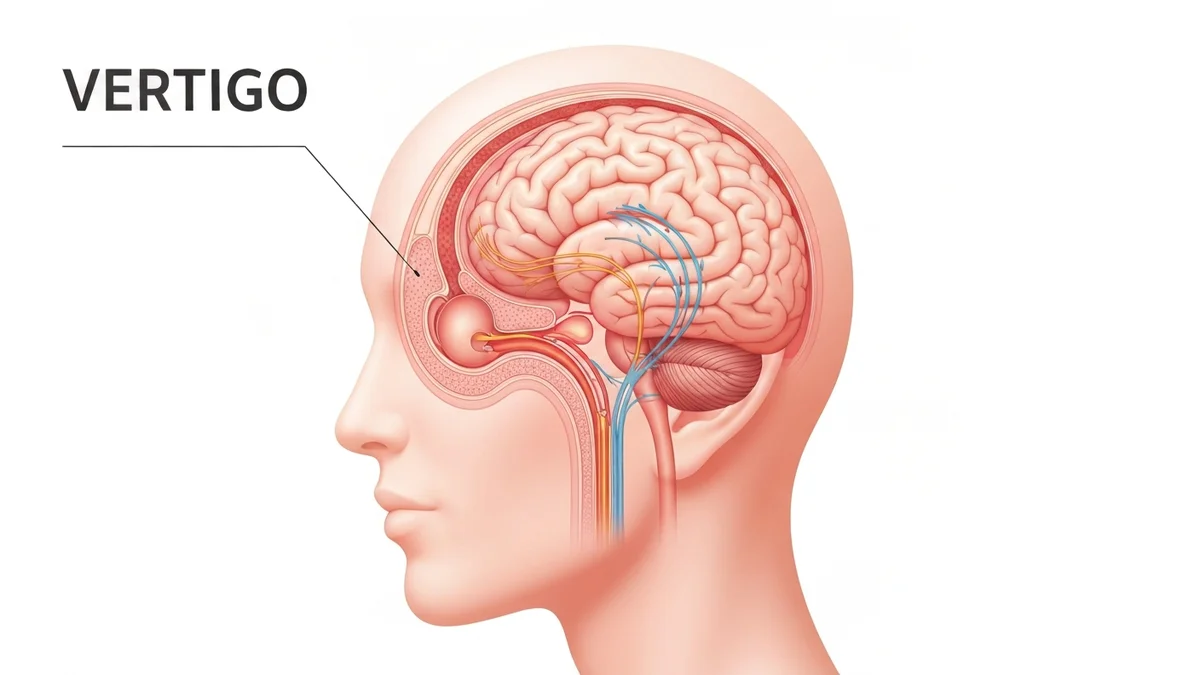
Dizziness and vertigo in older adults
Older adults may use “vertigo,” “chakkar,” “giddiness” or “imbalance” for different experiences. True spinning, feeling faint, drifting while walking and a blackout sensation are not interchangeable. More than one factor may be present at the same time, so the safest approach is to describe the experience before assigning a label.
When not to wait
Call local emergency services or go to the nearest emergency department for sudden weakness or numbness, facial droop, speech difficulty, new double vision, inability to stand or walk, fainting, chest pain, a sudden severe headache, new confusion or another new neurological symptom. Do not wait for a routine appointment or clinic reply. Do not drive yourself.
Sudden hearing loss in one ear needs same-day urgent medical or ENT assessment. A fall with head injury, persistent vomiting or inability to keep fluids down also needs prompt medical assessment.
Why assessment may need to look at several systems
Dizziness in later life may involve the inner ear, blood-pressure regulation, the heart, the brain, vision, sensation in the feet, mobility, or the effects of medicines. Age alone does not prove an “age-related balance” diagnosis.
Brief spinning after a change in head position can occur with BPPV, but diagnosis requires an appropriate history and a trained positional examination. Faintness after standing follows a different pathway. Hearing symptoms, new headache, double vision, weakness, loss of awareness and chest symptoms change the urgency and type of assessment.
Medicines can also contribute to sleepiness, slower reactions, blood-pressure change or imbalance. Do not stop a prescribed medicine suddenly. Bring every prescription, non-prescription medicine and supplement to a clinician or pharmacist for review.
Falls are part of the medical history
Tell the clinician about any fall or near-fall, even if there was no injury. Mention fear of falling, holding walls or furniture, difficulty in darkness, and whether walking has changed. Falls in older adults can have several causes and deserve an individual risk assessment rather than a single exercise or supplement recommendation.
Preparing for assessment
Bring a short record of:
- the exact sensation and its duration;
- triggers such as turning, standing, walking or busy visual surroundings;
- hearing, tinnitus, headache, vision, speech or chest symptoms;
- falls, near-falls and loss of awareness;
- recent illness, dehydration or medicine changes;
- previous hearing, balance, heart, blood-pressure or neurological reports.
The clinician may examine walking, balance, eye movements, hearing, neurological signs and lying and standing blood pressure. Further testing depends on the pattern and examination. No single balance test or scan provides a universal answer.
Safer daily activity while symptoms are active
Avoid driving, ladders, height work and unassisted bathing when vertigo, faintness or severe imbalance is active. Improve lighting, clear walking routes, wear stable footwear and use prescribed walking support. Ask for help rather than trying to “push through” an unsafe episode.
Follow-up
Return for reassessment when the symptom pattern changes, walking becomes less safe, falls recur, hearing changes, or medicine side effects are suspected. The goal is not merely to suppress dizziness; it is to identify the contributing factors and reduce harm.
Medical disclaimer
This page is for general education. It does not diagnose the cause of dizziness, change medicines or replace emergency assessment.
References
Read next — from Dr. Porwal's vertigo library
Related Patient Guides
Use these guides for broader symptom information, definitions and practical next steps.