
Vertigo Doctor in Kannauj is a practical search when patients have spinning vertigo, BPPV-like positional dizziness, imbalance, nausea with head movement, or repeated episodes that need proper evaluation.
Related: Online Vertigo Consultation across India — how it works, what to expect

Vertigo Doctor in Kannauj: when to consult a vertigo doctor
If you’re searching for Vertigo Doctor in Kannauj because you are struggling with vertigo, dizziness, or balance problems, Dr. Prateek Porwal in Hardoi is conveniently close—just 60km away. You can get specialized BPPV diagnosis and treatment on a single day trip without hassle.
This page is for Kannauj residents experiencing:
- Spinning sensation (chakkar) when turning your head
- Sudden dizziness, especially when lying down or getting up
- Balance problems or feeling off-balance
- BPPV or other inner ear disorders
- Need for specialist ENT care
Understanding Vertigo Doctor Kannauj
How to Book Your Appointment
Phone: 7393062200
WhatsApp: https://wa.me/917393062200
Related: Vertigo Specialist for Kolkata Patients — Dr. Prateek Porwal
Website: drprateekporwal.com
When you call or message, share:
- Your location (Kannauj)
- Main symptoms (spinning, dizziness, balance issues)
- How long you’ve had them
- Preferred appointment time
What Makes This Clinic Special
You have choices in where to seek vertigo care. Here’s why many Kannauj patients choose Prime ENT Center:
Related: Vertigo Doctor Near Bareilly — Online &
- Specialized Doctor: Dr. Porwal focuses specifically on vestibular disorders, not general ENT.
- Proven Technique: Hundreds of successful BPPV treatments using refined maneuver methods.
- Same-Day Results: Most patients see improvement on the day of treatment.
- Complete Care: Not just treatment, but education on preventing recurrence.
- Convenient Location: 60km is manageable for a day trip from Kannauj.
Final Word
Vertigo is highly treatable. If you’re in Kannauj and dealing with chakkar or balance problems, you have expert care just an hour away. Don’t settle for generic ENT care when specialized BPPV treatment is this accessible.
Call 7393062200 today and take the first step toward recovery.
From Kannauj to Expert Vertigo Care
Call: 7393062200
Related: Vertigo Specialist in Hardoi, Dr. Prateek Porwal
WhatsApp: Message us
Distance: 60km | Time: 1 hour | Treatment: Same day
Frequently Asked Questions
Q1. Does Dr. Prateek Porwal treat Kannauj patients?
Absolutely. I treat patients from Kannauj and across India through online video consultations. Many Kannauj residents have benefited from my expertise in vertigo and vestibular disorders. You can schedule a consultation via WhatsApp at 7393062200 or call directly. You can start specialist care from home and plan a Hardoi visit only if testing or a maneuver is needed.
Related: Diagnosis of Vertigo
Q2. Can vertigo be treated online for Kannauj patients?
Yes, very effectively. Online consultation allows me to take a detailed history, assess your symptoms through video assessment, and guide you through diagnostic tests if needed. For most cases-including medication management, exercises, and lifestyle changes-online is completely sufficient. If you need hands-on maneuver treatment like the Epley or Bangalore Maneuver, I can guide you through it step by step over video, or we can arrange a local referral.
Q3. What is BPPV and how is it treated?
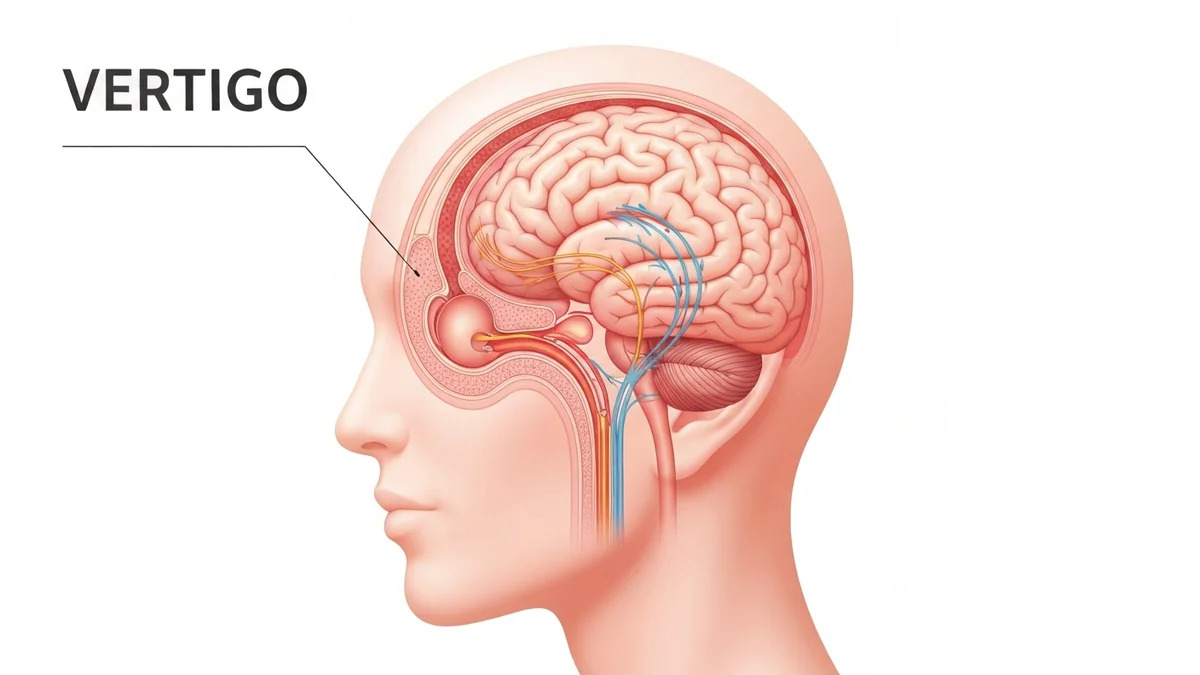
BPPV stands for Benign Paroxysmal Positional Vertigo. It happens when tiny calcium carbonate crystals in your inner ear get dislodged from their normal position. These crystals move around in the fluid-filled canals of your ear, triggering dizziness and spinning sensations-especially when you move your head or change positions. I treat BPPV with specific maneuvers like the Epley or my specialized Bangalore Maneuver, which reposition these crystals back to their normal place. Most patients get relief within one or two sessions.
Q4. How long does vertigo treatment take?
It varies depending on what’s causing your vertigo. BPPV maneuver treatment takes 10-15 minutes, but the full consultation including examination and explanation takes 30-45 minutes. For other causes of vertigo, treatment might involve medications, exercises, or lifestyle modifications-these work over days or weeks. Some conditions improve within days, others take 2-3 weeks of consistent follow-up. I’ll give you a clear timeline during your consultation based on your specific diagnosis.
Related: Is Vertigo Curable Permanently? An ENT Doctor Answers Honestly
Q5. Is the Bangalore Maneuver safe to do at home?
The Bangalore Maneuver is completely safe when performed correctly. It’s a modified head positioning technique designed to move misplaced crystals back to their normal location. I provide detailed guidance on how to do it, including video demonstrations if needed. The key is understanding which canal is affected and exactly how to position your head. I always explain the technique thoroughly and make sure you’re confident before you try it at home. If you’re uncertain, we can arrange a guided session over video.
Q6. What tests are needed before online consultation?
Most online consultations don’t require advance testing-history and physical examination are often sufficient. However, if you have access to certain tests, they’re helpful: audiometry (hearing test) helps rule out Meniere’s disease, VNG (videonystagmography) provides objective eye movement data, or MRI/CT if you’ve had imaging done. You don’t need these tests to start-bring whatever records you have, and we’ll determine if additional testing is needed based on your symptoms and initial assessment.
Q7. What is the cost of online consultation?
The consultation fee is very affordable and reasonable for specialist care. I discuss pricing when you contact me via WhatsApp at 7393062200 or call directly. The cost depends on consultation complexity and whether any follow-up is needed. Prescription medications are inexpensive and available at any pharmacy. Maneuver-based treatment costs nothing extra-it’s part of the consultation. No hidden charges, I promise complete transparency about costs upfront.
Q8. Can vertigo come back after treatment?
BPPV can recur in about 15-30% of patients, even after successful treatment. But here’s the good news-if it comes back, it responds to treatment again with similar success rates. I teach patients preventive exercises and lifestyle modifications that significantly reduce recurrence risk. Many of my treated patients don’t experience recurrence for years or ever. If vertigo does return, contact me and we’ll schedule another treatment session-recurrence is not a treatment failure, it’s just a characteristic of BPPV in some people.
Medical Disclaimer: This article is for educational purposes only. It does not constitute medical advice or prescribing guidance. All medications mentioned should only be taken under the direct supervision of a qualified physician. Specific doses, durations, and drug choices depend on your individual clinical condition and must be determined by your treating doctor. If you experience severe symptoms, please seek immediate medical attention.
References
- Karatas M. Central vertigo and dizziness: Epidemiology, differential diagnosis, and common causes. Neurologist. 2008;14(6):355–364.
Read next — from Dr. Porwal's vertigo library