
Journal
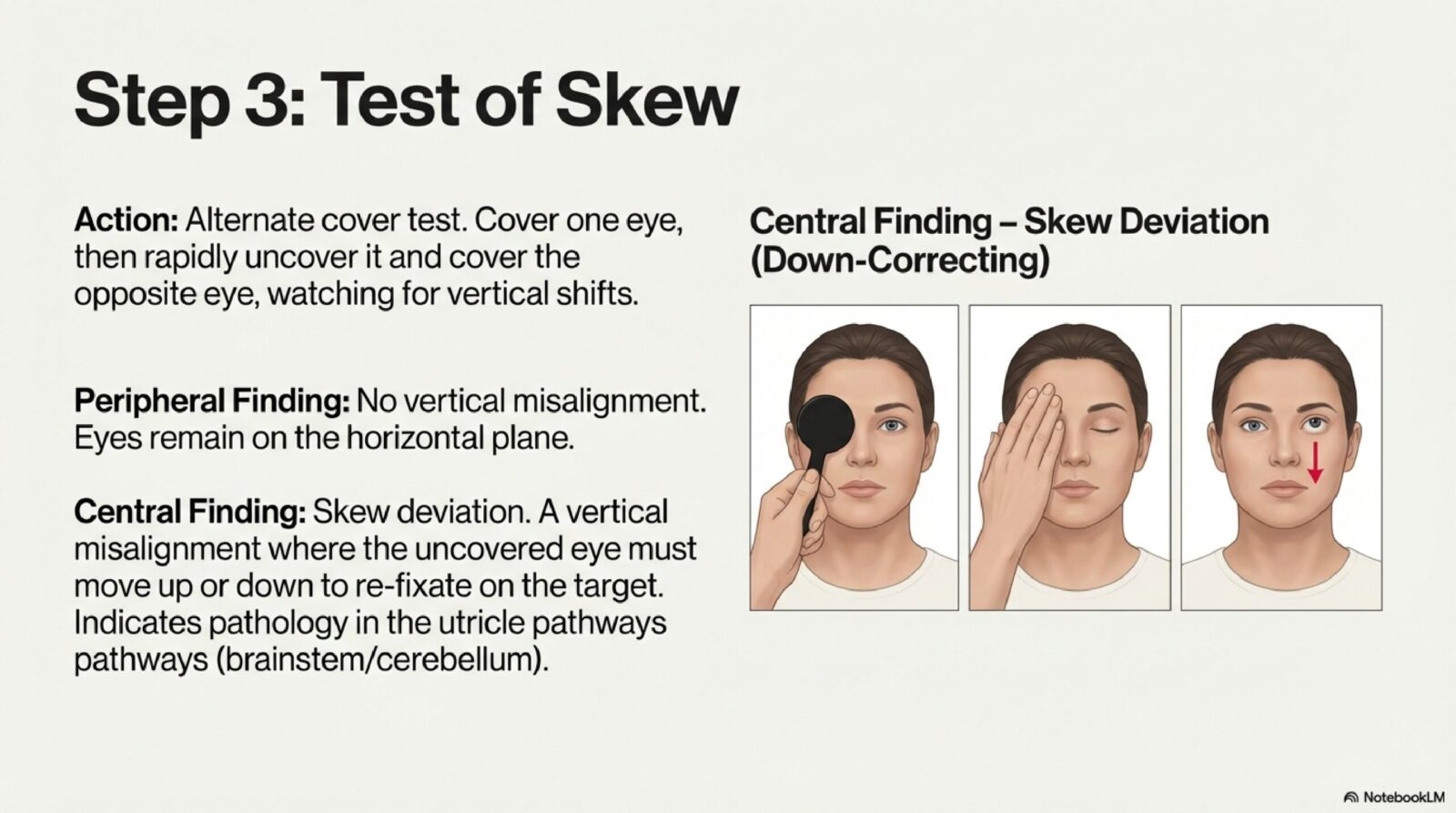
Skew Deviation and the Test of Skew: A Central Vertigo Sign
Skew deviation is a vertical misalignment of the eyes and a central (brain-related) sign. Learn what the test of skew checks and why it…
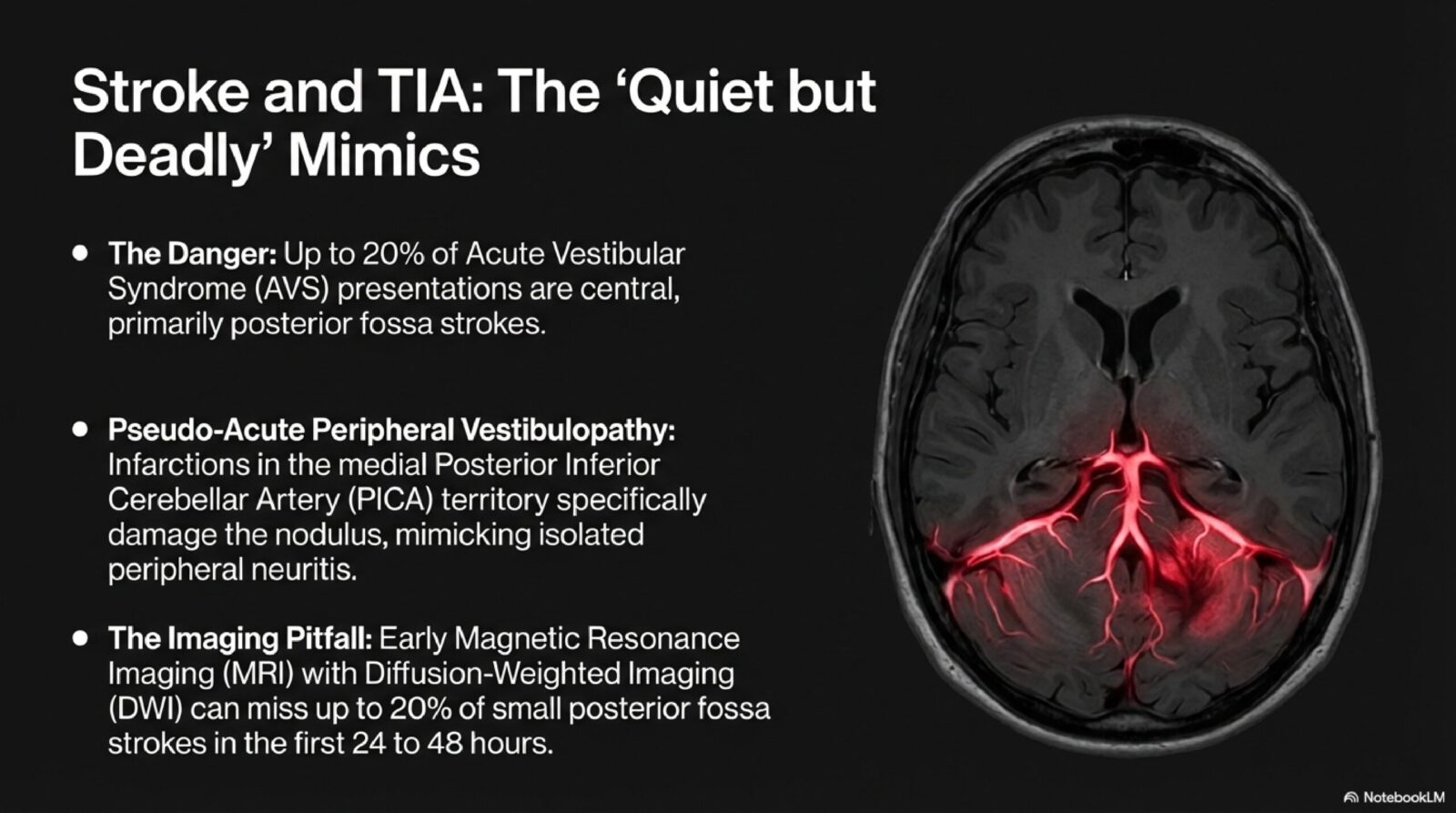
Upbeat Nystagmus: What This Vertical Pattern Can Mean
Upbeat nystagmus explained: what it is, common and central causes, stroke/Wernicke red flags that make it urgent, and how doctors assess it.

Downbeat Nystagmus: Causes, Tests and Warning Signs
Downbeat nystagmus is an eye-movement sign that may point to central neurological causes. Learn associated symptoms and why prompt specialist assessment matters.

Gaze Evoked Nystagmus: Eye Movement Warning Sign
Gaze evoked nystagmus guide: side-gaze eye drift, symptoms, VNG testing, red flags, safety steps and when ENT/vertigo review is safer.

Nystagmus Types: Central vs Peripheral Eye Movements
Nystagmus means involuntary eye movements. Learn common patterns, how central and peripheral findings differ, warning signs and why examination matters.

Caloric Test Results: Unilateral Weakness, Directional Preponderance and vHIT
Understand unilateral weakness, directional preponderance, fixation suppression and why caloric and vHIT results may disagree without being contradictory.

Frenzel Goggles Nystagmus Test: Vertigo Eye Movement Guide
Frenzel goggles help clinicians observe nystagmus by limiting visual fixation. Learn what the test shows, its limits and when further assessment is needed.
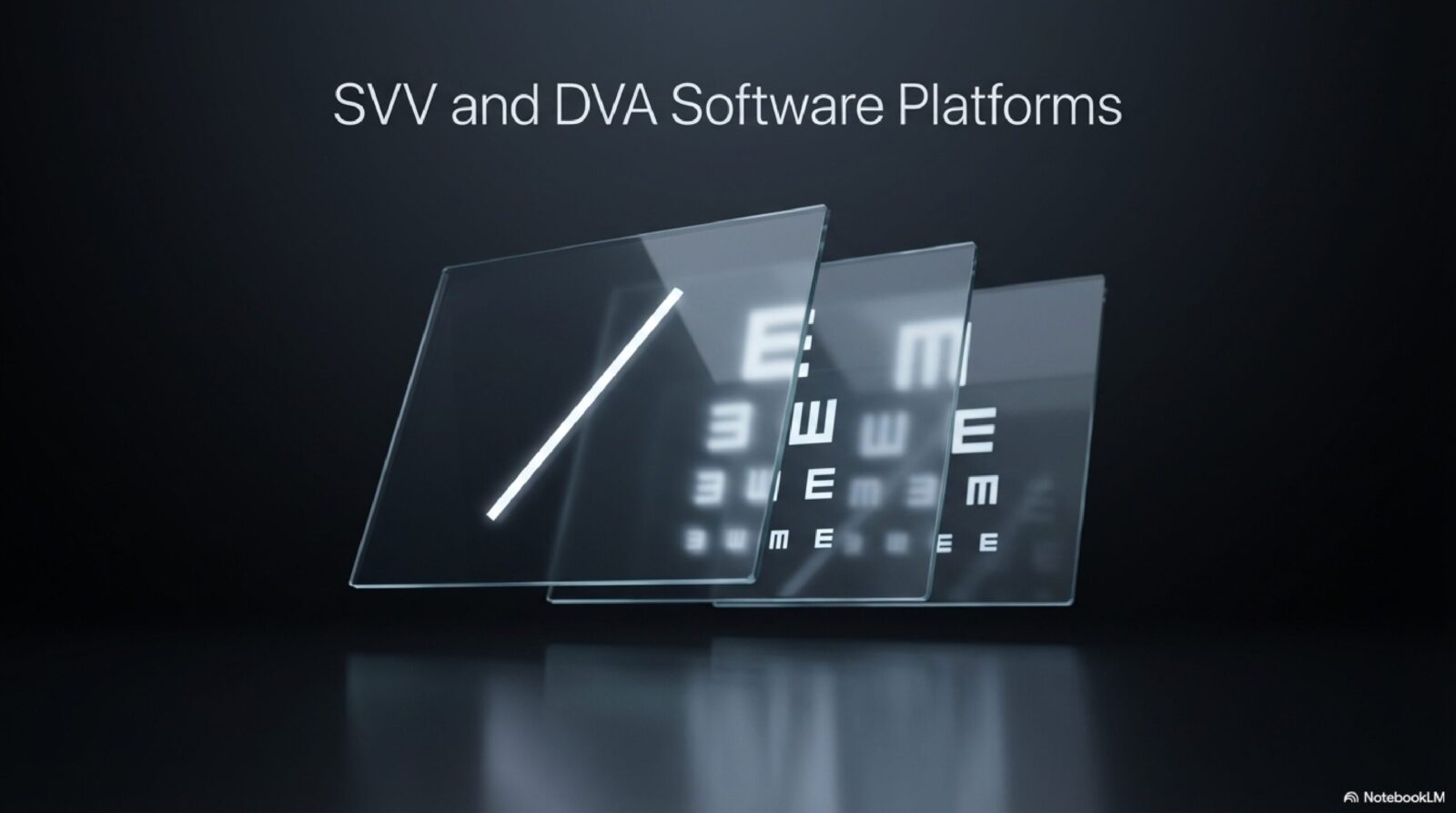
Dynamic Visual Acuity Test Vertigo: Why Vision Blurs While Walking
Dynamic visual acuity test for vertigo, oscillopsia, walking blur and vestibulo-ocular reflex evaluation in a vestibular workup.