
Dizziness or a spinning sensation can occur during pregnancy for many reasons, including pregnancy-related circulation changes, long gaps between meals, vomiting or reduced fluid intake, anaemia, medicines, migraine and inner-ear balance disorders. The symptom cannot be labelled harmless or diagnosed from an online list. Do not start, stop or change any medicine on your own during pregnancy; medicine decisions belong with your obstetrician and treating clinician. If dizziness is new, frequent, severe or troubling, arrange an individual assessment.
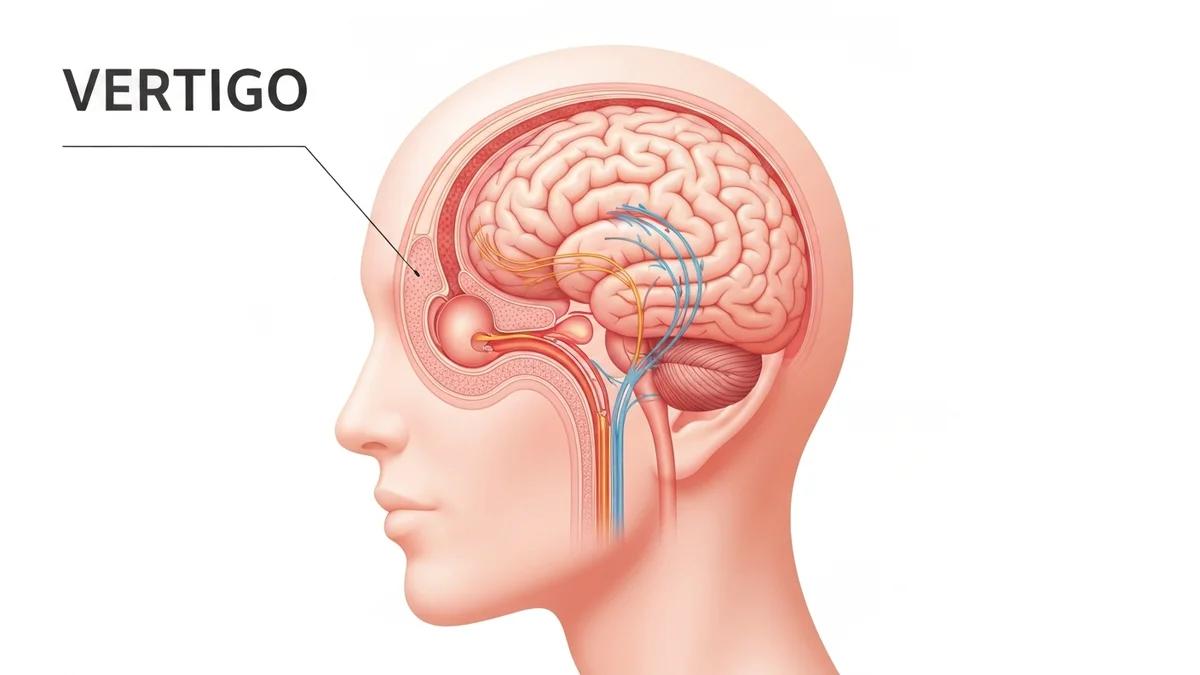
Why dizziness or vertigo can occur in pregnancy
Pregnancy can change circulation, blood pressure, glucose handling and fluid balance. These changes are possible explanations for light-headedness, but the timing or trimester alone does not establish the cause and does not rule out a condition needing treatment.
Common causes of dizziness in pregnancy
- Low blood pressure / standing up quickly (a postural drop)
- Low blood sugar from long gaps between meals
- Dehydration
- Anaemia (low haemoglobin) — common in pregnancy
- Lying flat on your back in later pregnancy — the womb can press on a large vein; turning onto your side usually helps
- BPPV — position-triggered spinning from the inner ear, which can occur in pregnancy too
Safe, non-medicine self-care
Use these fall-prevention steps while arranging appropriate advice. Follow your obstetrician’s diet and fluid plan rather than generic advice if you have diabetes, high blood pressure, kidney or heart disease, severe vomiting or any restriction:
- Stand up slowly; sit or lie down at the first sign of dizziness to avoid a fall
- If your obstetrician has not advised a restriction, avoid long gaps between meals using the plan recommended for you
- Follow your obstetrician’s fluid advice; do not override a personal fluid restriction with general online guidance
- In later pregnancy, rest on your side rather than flat on your back
- Avoid long periods of standing, hot crowded spaces, and sudden position changes
What about medicines for vertigo in pregnancy?
Many people search for whether specific vertigo tablets are safe in pregnancy. The safest and most honest guidance is simple: this is a decision only your obstetrician (and treating doctor) can make for you — it isn’t something to settle from a web page, and you should never start, stop, or change a dose on your own while pregnant. Bring the exact name of any medicine you take or are considering to your obstetrician, and let them advise. Often, the common causes above are managed with the self-care steps rather than medicine.
Red flags in pregnancy — seek urgent care now
Contact your obstetrician or emergency services immediately if dizziness comes with any of these:
- Severe or unusual headache, or changes in vision (blurring, flashing lights)
- Severe or sudden swelling of the face or hands
- Fainting, chest pain, palpitations, or breathlessness
- Vaginal bleeding or severe abdominal pain
- Reduced or absent baby movements
- Weakness/numbness, facial droop, or slurred speech
These can signal problems that must be checked in person.
How vertigo is safely evaluated in pregnancy
A doctor can assess vertigo in pregnancy with simple, low-risk steps: your history, blood-pressure checks (lying and standing), a Dix-Hallpike test for BPPV, and basic blood tests (e.g. haemoglobin, sugar) where needed — coordinating with your obstetrician. If positional testing confirms BPPV, a trained clinician can discuss whether a repositioning manoeuvre is appropriate for the pregnancy and the individual’s other risks.
Talk to Dr. Prateek Porwal and your obstetrician
If you’re pregnant and troubled by vertigo or dizziness, getting the cause assessed is safer than guessing. Dr. Prateek Porwal, ENT and vertigo specialist at Prime ENT Center, can evaluate the cause and work alongside your obstetrician on a safe plan.
👉 Book an appointment or contact us on WhatsApp. Always confirm any medicine with your obstetrician first.
FAQ
Is it normal to feel dizzy or get vertigo in pregnancy?
Dizziness can occur in pregnancy, but an online page cannot declare an individual episode normal. New, recurrent, severe or red-flag symptoms need assessment.
What causes dizziness in pregnancy?
Possible causes include circulation changes, reduced intake or vomiting, anaemia, medicines, migraine and inner-ear disorders. An examination and history determine which explanation fits.
Can pregnancy vertigo be treated without medicine?
Some causes may be managed without medicine, but the plan depends on the diagnosis and personal obstetric advice. Do not perform a positional test or manoeuvre from an online video during pregnancy.
Which symptoms need urgent care?
Severe headache, vision changes, severe swelling, fainting, chest pain, bleeding, severe abdominal pain, reduced baby movements, or stroke-type symptoms.
References
- ACOG: Preeclampsia and High Blood Pressure During Pregnancy
- ACOG: Urgent Maternal Warning Signs
- AAO-HNS: BPPV Clinical Practice Guideline
Medical disclaimer: This page is for patient education only and does not replace examination, diagnosis, emergency care, or a personalized treatment plan from a qualified doctor.