
Reviewed by Dr. Prateek Porwal, MBBS, DNB ENT, CAMVD. Dr. Porwal evaluates nystagmus, vertigo, VNG findings, HINTS patterns and balance disorders at Prime ENT Center, Hardoi.
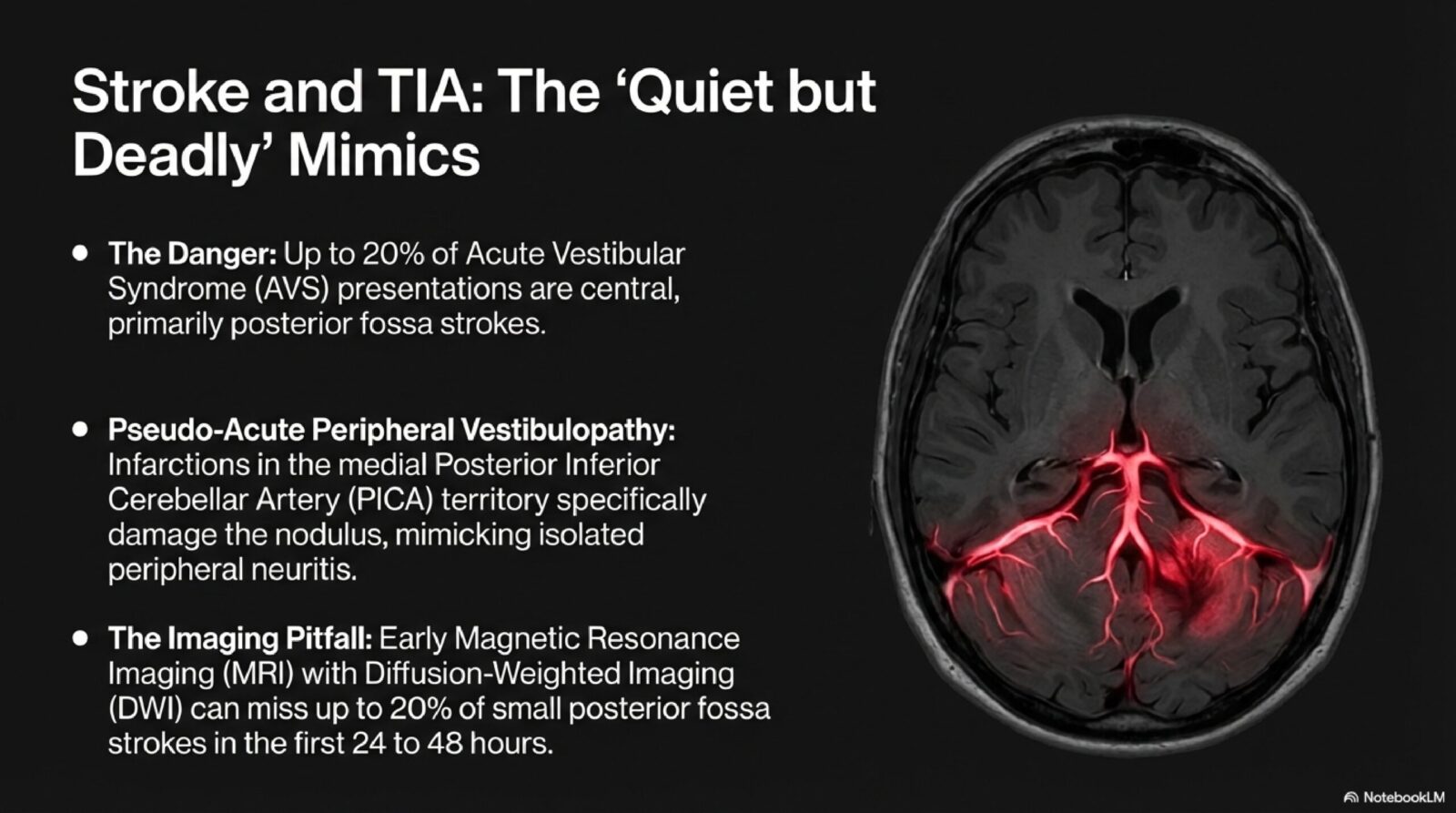
upbeat nystagmus is a specialist eye-movement finding in vertigo and dizziness evaluation. It should be described carefully because the direction, trigger and associated symptoms can separate an inner-ear problem from a central neurological warning pattern.
upbeat nystagmus: quick answer
Upbeat nystagmus is a vertical nystagmus pattern where the fast phase beats upward. Like downbeat nystagmus, it is more suspicious for central nervous system involvement than ordinary BPPV.
What is upbeat nystagmus?
Patients may present with dizziness, nausea, imbalance, visual jumping, diplopia or neurological symptoms. The pattern may be seen in brainstem lesions, Wernicke encephalopathy, demyelination, medication effects or other central disorders.
Common causes
The cause is not decided by the eye movement alone. Onset, risk factors, nutrition/alcohol history, medicine list, gait, coordination, speech, eye alignment and imaging indications matter.
How I evaluate it in clinic
I separate upbeat nystagmus from the torsional-upbeat nystagmus of posterior canal BPPV. In BPPV, the trigger, latency, duration and torsional component matter. Persistent vertical nystagmus in primary gaze is a different concern.
Red flags
Urgent care is needed when upbeat nystagmus is sudden, persistent, associated with severe gait unsteadiness, confusion, double vision, weakness, severe headache or stroke risk.
Treatment direction
Treatment depends on the underlying cause. Some cases need emergency care, thiamine/metabolic treatment, medicine review, neurological management or vestibular rehabilitation after stabilization.
How it connects to vertigo testing
I connect upbeat nystagmus with the vertigo diagnosis guide, VNG testing, Frenzel goggles, and HINTS exam guide when the pattern suggests acute vestibular syndrome.
If the symptom is blackout or collapse rather than eye movement with spinning, read syncope vs vertigo. If the issue is bouncing vision while walking, dynamic visual acuity and vestibular rehab planning may be more relevant.
What to tell the doctor
Tell the doctor whether the eye movement is constant or position-triggered, whether vision bounces, whether there is double vision, whether symptoms started suddenly, whether walking is unsafe, and whether hearing loss, tinnitus, headache or neurological symptoms are present.
Common mistakes
Do not assume every positional nystagmus is BPPV. Do not assume every normal ear examination rules out a central problem. Do not keep repeating maneuvers if the nystagmus pattern does not match canal physiology or if neurological red flags are present.
What a good report should mention
A useful report for upbeat nystagmus should mention the position of the eyes, the direction of the fast phase, whether fixation changes the movement, whether the pattern appears only in a certain gaze or position, and whether it fatigues. These details are more helpful than simply writing ‘nystagmus positive’.
The report should also say whether the pattern fits a peripheral vestibular disorder, a positional canal pattern, a central warning pattern, or an inconclusive result. If the report and symptoms do not match, the patient needs re-examination rather than automatic treatment.
Why this matters for treatment
The treatment path changes completely depending on the pattern. Canalith repositioning helps true BPPV. Vestibular rehabilitation helps many compensated or chronic vestibular problems. Migraine needs trigger and prophylaxis planning. Central patterns may need neurological imaging, emergency care, medicine review or specialist follow-up.
This is why eye-movement examination is one of the most valuable parts of vertigo practice. It keeps patients from being labelled with cervical vertigo, gas, weakness or anxiety when the eye movement is actually giving a stronger clue.
For upbeat nystagmus, I also ask whether the patient has taken vestibular suppressants, sedatives, anti-seizure medicines or alcohol recently, because these can alter eye movements. Older reports, videos from previous attacks and medication lists can prevent a wrong conclusion.
If symptoms are intermittent, the examination can be normal between attacks. That does not make the patient unreliable. It means the timing of examination, trigger testing and video documentation become more important.
FAQ
Is upbeat nystagmus always dangerous?
No. Some nystagmus patterns are expected in BPPV or vestibular neuritis. The concern depends on direction, trigger, persistence, fixation effect, associated symptoms and examination findings.
Can VNG record this eye movement?
Yes, VNG or video-oculography can document many eye-movement patterns. The report still needs clinical interpretation, because a tracing without the patient story can mislead.
References
Eggers SDZ et al. Barany Society classification of nystagmus and nystagmus-like movements: https://doi.org/10.3233/VES-190658
Kattah JC et al. HINTS to diagnose stroke in acute vestibular syndrome. Stroke. 2009: https://pubmed.ncbi.nlm.nih.gov/19762709/
Nystagmus Types. StatPearls, NCBI Bookshelf: https://www.ncbi.nlm.nih.gov/books/NBK539711/
For non-emergency vertigo, nystagmus, VNG or dizziness evaluation, call Prime ENT Center, Hardoi at 7393062200. Sudden weakness, double vision, slurred speech, severe headache, fainting or inability to walk needs urgent care first.
Medical disclaimer: This article is for educational purpose and patient education. Nystagmus can be peripheral or central. A new vertical, direction-changing, severe or neurological pattern should be assessed urgently.
Read next — from Dr. Porwal's vertigo library