

Quick answer: An ENT specialist Etawah search should lead to the safest setting for the symptom—not an assumption that Prime ENT Center has an Etawah branch. Prime ENT Center is in Hardoi. Patients in Etawah should use local emergency or ENT services for urgent and hands-on needs; suitable stable concerns may begin with an online report review or a planned Hardoi consultation.
Do not travel routinely when the symptom is an emergency
Sudden hearing loss, breathing difficulty, facial weakness, slurred speech, double vision, fainting, severe new headache, uncontrolled bleeding, repeated vomiting or inability to walk safely needs urgent assessment near the patient.
ENT specialist Etawah: choose the care setting first
Ear pain, discharge, a foreign body, severe nosebleed, swallowing difficulty, breathing symptoms or a new neck swelling usually needs physical examination. Online review cannot inspect the eardrum, remove a foreign body, examine the nose or throat, or perform a procedure.
For stable recurrent symptoms, a report review may help organize the history and decide whether local examination, hearing testing, vestibular assessment or planned travel is appropriate. This page does not claim that Etawah clinicians lack expertise or equipment.
Describe the main problem before naming a diagnosis
Start with the symptom: ear pain, discharge, blocked ear, hearing change, tinnitus, nasal blockage, throat discomfort, voice change, snoring, spinning, faintness or imbalance. Add when it began, whether it is worsening and what triggers or relieves it.
For dizziness, record attack duration, positional triggers, headache, hearing symptoms, vomiting, falls and walking safety. The vertigo red-flag guide explains warning signs that should not wait for a routine appointment.
What an examination or test may clarify
The clinician may examine the ear, nose, throat, eye movements, balance or positional responses depending on the history. Audiometry, tympanometry, VNG, imaging or laboratory tests are selected when they answer a defined clinical question; they are not a fixed package for every patient.
The VNG testing guide explains how vestibular testing is interpreted with the history and examination. A test does not guarantee a diagnosis, procedure or outcome.
Prepare for an online or in-person review
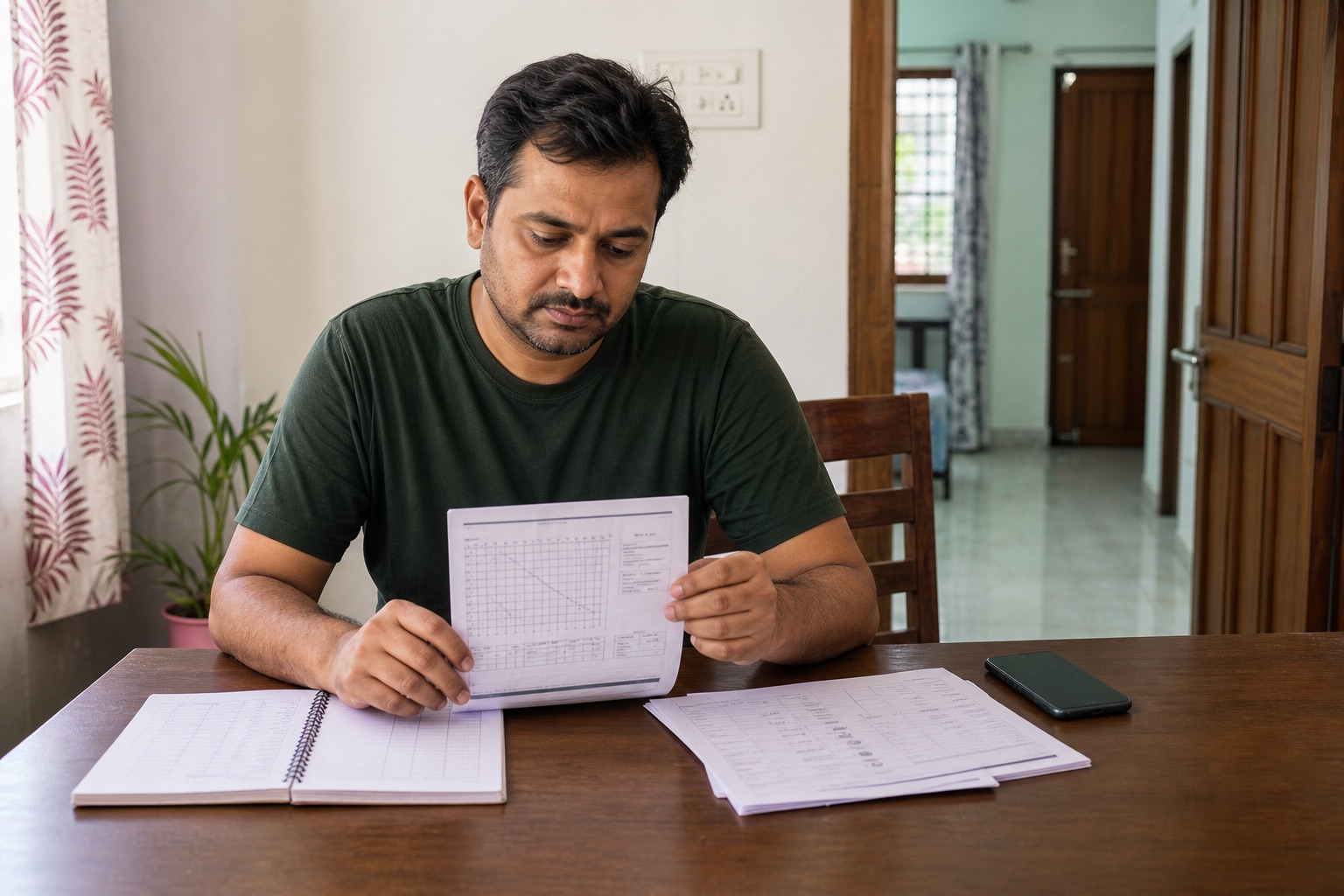
Carry current prescriptions, a complete medicine list, previous hearing tests, VNG reports, scans and discharge summaries. A short diary should include the start time, duration, trigger, ear symptoms, headache, vomiting, falls and recovery.
Do not stop prescribed medicine, begin an antibiotic, use ear drops in an injured or discharging ear, or repeat a positional maneuver solely because a webpage suggests it. Treatment and preparation depend on the examination and individual risk.
When online review may help Etawah patients
An online consultation may help review existing reports, clarify the symptom timeline and plan the next appropriate setting. It cannot perform otoscopy, hearing tests, positional testing or an ENT procedure. The online consultation guide explains these limits.
Online review should not delay local urgent care. It is most useful for suitable stable follow-up, report interpretation or second-opinion questions where immediate hands-on examination is not required.
Planning a Hardoi visit without unsupported promises
Prime ENT Center is in Hardoi, not Etawah. Confirm current appointment and service availability before travel. Journey time and route vary, so this page does not promise a fixed distance, same-day test package, procedure, result or return schedule.
If dizziness is active or unpredictable, do not drive yourself. Ask whether local examination or testing should occur first and whether a support person is needed for travel.
How this page differs from nearby city guides
This page owns the general Etawah-to-local/online/Hardoi care decision. It does not claim a physical Etawah clinic and does not replace the separate vertigo hub, which explains causes and diagnosis pathways rather than locality planning.
Frequently asked questions
Does Prime ENT Center have a clinic in Etawah?
No. Prime ENT Center is in Hardoi. This page is an educational and care-planning guide for patients searching from Etawah.
Can ear discharge or severe ear pain be assessed only online?
No. These symptoms often require appropriate physical ear examination. Fever, swelling, dizziness, injury or hearing change can increase urgency.
Can previous hearing or balance reports be reviewed online?
Yes, suitable existing reports can be discussed online, but report review does not replace every examination or test.
Is a test or treatment result guaranteed after travelling?
No. History and examination determine whether testing or treatment is appropriate, and no specific outcome is guaranteed.
For a planned Hardoi or online review, use the contact and appointment page. Warning signs should be assessed through local urgent or emergency services first.
References
Medical Disclaimer: This article is for educational purposes only and does not constitute medical advice, diagnosis or prescribing guidance. Consult Dr. Prateek Porwal at Prime ENT Center, Hardoi for personalised treatment.
Read next — from Dr. Porwal's vertigo library