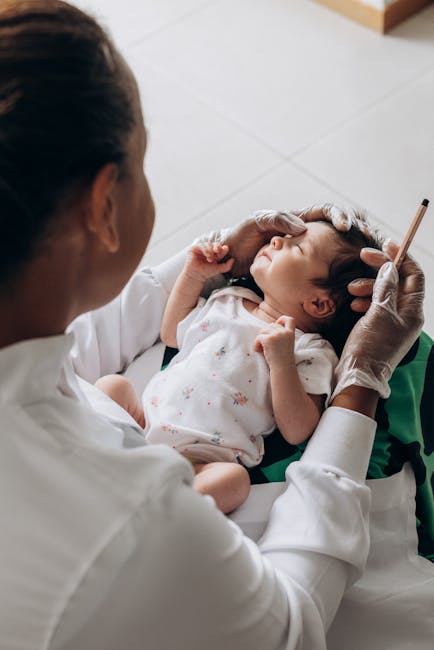
vestibular migraine in children matters because patients searching for vestibular migraine in children usually want clear guidance on symptoms, tests or treatment, and the warning signs that change urgency.
vestibular migraine in children: what patients should know
Vestibular migraine in children is easy to miss because the pattern does not always look like the adult version of migraine. Some children mainly complain of dizziness, spinning, nausea, motion intolerance, or episodes that come and go without a dramatic headache. As a result, the problem may be mistaken for ear disease, weakness, anxiety, or a vague recurrent dizziness syndrome.
Table of Contents: Vestibular Migraine Children
- What Is Vestibular Migraine in Children?
- How Vestibular Migraine Presents Differently in Children
- Cyclical Vomiting Syndrome (CVS), The Precursor
- Identifying Triggers in Indian Children
- Distinguishing Vestibular Migraine from Other Conditions
- Diagnosis of Vestibular Migraine in Children
- Treatment of Vestibular Migraine in Children
- School Accommodation and Academic Planning
- Eight Common Questions About Pediatric Vestibular Migraine
- Living Well With Pediatric Vestibular Migraine
This article explains how vestibular migraine presents in children, what clues make the diagnosis more likely, which other conditions need to be considered, and what parents should monitor between episodes.
What Is Vestibular Migraine in Children?
Vestibular migraine (also called migraine-associated vertigo) is a neurological condition where the brain’s vestibular system becomes overly sensitive, producing episodes of dizziness and vertigo. It’s the most common cause of recurrent vertigo in children, though parents rarely recognize it as such. The key difference from adult vestibular migraine is that children often don’t have the headache that adults experience, or the headache is so mild they don’t complain about it.
During a vestibular migraine episode, the child’s brain becomes hyperexcitable, affecting the regions that process balance and spatial orientation. This results in vertigo, dizziness, motion sensitivity, and nausea. The episodes can last from minutes to hours, and recovery is usually complete-the child returns to normal baseline between attacks. However, the unpredictability and severity of attacks often impact schooling, friendships, and family life.
In my experience with pediatric patients from Hardoi, Sitapur, and surrounding districts, vestibular migraine is more common in children with a family history of migraines. If either parent suffers from migraines, the child’s risk is significantly higher. , children with other migraine variants (visual migraines, abdominal migraines) frequently develop vestibular migraine during their school years.
How Vestibular Migraine Presents Differently in Children
Absence of Headache in Childhood Presentations
This is the most important distinction. Many parents expect their child’s migraines to look like their own migraines-with head pain being the primary symptom. But in children, vestibular migraine often presents as pure vertigo without any headache at all. Some children develop headaches years after their first vestibular migraine episode; others never develop headaches despite experiencing recurrent vestibular episodes throughout childhood.
I’ve had parents tell me, “But the pediatrician said it can’t be migraine because there’s no headache.” This misconception has delayed diagnoses in countless children. The headache is not required for vestibular migraine diagnosis in children. The dizziness and vertigo alone, if recurring and meeting certain criteria, are sufficient for diagnosis.
Vomiting as a Primary Symptom
While adults with vestibular migraine may feel nauseous, children often vomit during episodes. The vomiting can be intense and repeated, making parents think the child has a stomach bug or food poisoning. Often, the vomiting occurs without preceding nausea-the child suddenly vomits during the vertigo episode.
This is particularly noticeable in children with cyclical vomiting syndrome (CVS), a condition that frequently precedes or coexists with vestibular migraine. A child might have episodes where they vomit repeatedly for hours or even days, with normal periods in between. Parents take the child from pediatrician to pediatrician, requesting imaging and testing, all of which come back normal. Then years later, the child develops vestibular migraine, and parents finally realize the earlier vomiting episodes were migraine-related.
Motion Sickness as an Early Warning Sign
Many children who later develop vestibular migraine have a long history of severe motion sickness. They can’t tolerate car rides, boat rides, or amusement park activities. This motion sensitivity is an early manifestation of vestibular system hyperexcitability. If your child has severe motion sickness from early childhood and later develops episodes of dizziness or vomiting, vestibular migraine should be suspected.
I ask every parent at Prime ENT Center: “Does your child get motion sickness?” A positive answer in a child presenting with vertigo episodes raises my suspicion of vestibular migraine significantly.
School Avoidance and Behavioral Changes
Children with vestibular migraine often develop school avoidance. They fear having a vertigo attack at school, embarrassing themselves in front of peers, or being unable to get help if dizziness starts. Some children also develop anxiety and health anxiety specifically-they become preoccupied with their dizziness and worry constantly about the next attack.
Parents often bring children to my clinic saying, “He’s suddenly refusing to go to school. He complains his head feels dizzy and he’s afraid he’ll fall.” Initially, parents suspect the child is exaggerating or developing behavioral problems. But when I examine the child and take a detailed history, I find clear vestibular migraine episodes occurring before these school refusal episodes began. The child’s anxiety about vertigo is completely understandable-if you’d experienced sudden, intense dizziness unpredictably, you’d be anxious too.
Cyclical Vomiting Syndrome (CVS), The Precursor
Cyclical vomiting syndrome deserves special attention because it’s so closely linked to vestibular migraine. CVS is characterized by recurrent episodes of intense vomiting lasting hours to days, separated by symptom-free periods. The child vomits repeatedly, is unable to eat or drink, and becomes exhausted. Between episodes, the child is completely normal. CVS is more common in children with family histories of migraine and is increasingly recognized as part of the migraine spectrum.
In my practice, I’ve seen children diagnosed with CVS at age 5-6 who develop frank vestibular migraine with vertigo by age 10-12. The conditions are related manifestations of migraine susceptibility. Recognizing this connection is important because treatment overlap exists-medications that prevent migraines can also prevent CVS episodes in many children.
If your child has CVS, I recommend discussing vestibular migraine risk with your pediatrician. Implementing migraine prevention strategies early (lifestyle modifications, dietary adjustments, trigger avoidance) may reduce the development of vestibular symptoms later.
π Also read: Vestibular Rehabilitation Therapy Guide
Identifying Triggers in Indian Children
Vestibular migraine triggers in children are highly individual, but certain triggers are particularly common in Indian families and in the Hardoi/UP region specifically.
Screen Time and Visual Stimuli
Modern children in India are increasingly exposed to screens-mobile phones, tablets, computers, and television. Excessive screen time is a major trigger for migraine in children. The constant visual stimulation, blue light exposure, and the concentration required for screen activities can precipitate vestibular migraine episodes. Many children I see have a pattern: increased screen use (often 6-8 hours daily during online schooling or gaming) followed by a vestibular migraine episode within hours or a day.
I advise parents to implement strict screen time limits-ideally no more than 1-2 hours daily for school-age children. The 20-20-20 rule helps: every 20 minutes of screen time, look at something 20 feet away for 20 seconds. This gives the visual system and vestibular system time to reset.
Irregular Sleep Patterns
Sleep disruption is a universal migraine trigger, and Indian families often struggle with irregular sleep in children due to academic pressure, extended family schedules, or cultural practices. A child might sleep 6 hours on a school night, 10 hours on a weekend-this inconsistency itself is a trigger. , many children are kept awake late for family functions, school events, or academic coaching.
During my examination, I specifically ask about sleep timing. Children whose bedtime varies by more than an hour or two consistently show more vestibular migraine episodes. I recommend consistent sleep-wake times, ideally 8-9 hours nightly for school-age children, even on weekends.
Skipping Meals and Fasting
This is particularly significant during Navratri, Ramadan, or other religious fasting periods in Indian families. Blood sugar drops during fasting can trigger migraine episodes. , skipping breakfast-a common pattern when children are rushed to school or during fasting-frequently precedes vestibular migraine episodes.
I’ve seen clusters of vestibular migraine episodes in my young patients during Navratri fasting periods when families restrict their child’s diet. Advising parents to maintain regular meal patterns, even during fasting periods (with lighter meals if fasting is observed), helps prevent episodes. Children should never fast completely; even light meals help maintain blood sugar and reduce trigger exposure.
Emotional Stress and Exam Pressure
Academic pressure in Indian schools is intense. Board exams, competitive entrance exams (JEE, NEET, etc.), and parental expectations create significant stress. Stress itself is a direct migraine trigger, and in some children, the stress relief after exams (let-down migraine) can trigger vestibular episodes. I’ve noticed clusters of vestibular migraine cases around exam seasons.
School-related anxiety-bullying, social stress, performance anxiety-also contributes. Children who are anxious about school are more prone to vestibular migraine episodes during school days or before school.
Dietary Triggers
Certain foods can trigger migraine in susceptible children. Common triggers include MSG (found in many processed Indian snacks, noodles, and restaurant foods), food additives, caffeine (in chocolate, colas, and tea), and foods high in tyramine (aged cheeses, fermented foods). , some children react to specific cuisines-spicy foods can be a trigger for some, while others tolerate them well.
I recommend keeping a symptom diary to identify individual dietary triggers. This is more helpful than general dietary restrictions-what triggers one child may be fine for another.
Infection and Illness
Viral illnesses are frequently followed by vestibular migraine episodes in children. Common colds, flu, or even minor infections seem to increase susceptibility. This is thought to relate to immune system activation triggering central nervous system hyperexcitability. During these periods, children benefit from extra rest and avoiding other triggers.
Distinguishing Vestibular Migraine from Other Conditions
Vestibular Migraine vs. BPPV in Children
Benign paroxysmal positional vertigo (BPPV) can occur in children, though it’s more common in adults. BPPV causes brief episodes of intense vertigo lasting seconds to a minute, triggered by specific head movements. Vestibular migraine causes longer episodes (minutes to hours) and isn’t triggered by specific head positions. The nystagmus pattern is also different-BPPV shows very characteristic nystagmus patterns during positional testing, while vestibular migraine nystagmus (when present) is variable and less distinctive.
Vestibular Migraine vs. Vestibular Neuritis in Children
Vestibular neuritis causes a single episode of severe vertigo lasting days to weeks, usually following a viral illness. It’s one intense episode. Vestibular migraine causes recurrent episodes separated by symptom-free intervals. , VN typically presents with nystagmus and abnormal VNG findings (videoysntagmography), while vestibular migraine usually doesn’t show these findings. If a child has their first severe vertigo episode, I examine carefully to distinguish between VN and vestibular migraine.
Vestibular Migraine vs. Anxiety Disorder
This distinction is important because many children with vestibular migraine are initially labeled with anxiety disorders. The anxiety comes second-a child who experiences unpredictable vertigo naturally becomes anxious about the next attack. But the vertigo itself is neurobiological, not psychological.
Red flags for true anxiety rather than vestibular migraine: symptoms only occur in specific feared situations (elevators, crowds, school), there’s no history of family migraine, motion sickness is absent, and symptoms improve dramatically with reassurance or antianxiety medication alone. In contrast, vestibular migraine occurs unpredictably, often triggers actual physical findings (nystagmus, balance problems), and requires preventive migraine medications-reassurance alone doesn’t stop the episodes.
Diagnosis of Vestibular Migraine in Children
There’s no single test for vestibular migraine. Diagnosis is clinical, based on symptom patterns and excluding other causes. The Barany Society proposed diagnostic criteria, and I use them in my practice at Prime ENT Center:
- At least 5 episodes of vestibular symptoms (vertigo, dizziness, or head motion-induced symptoms)
- Each episode lasts 5 minutes to 72 hours
- At least 50% of episodes should be associated with migraine symptoms (headache is not required in children-vestibular symptoms alone are sufficient, or a history of motion sickness, or family history of migraine counts)
- No other diagnosis better explains the symptoms
To make this diagnosis, I take a detailed history of the child’s episodes. I ask about:
- Age of first episode and how frequently episodes occur
- Duration of each episode
- Associated symptoms (headache, nausea, vomiting, light sensitivity, sound sensitivity)
- Relationship to school, activities, and events
- Identified triggers
- Family history of migraine in either parent
- History of motion sickness from childhood
- History of cyclical vomiting
Testing in vestibular migraine is normal. Hearing tests are normal. Balance testing (unless performed during an acute episode) is normal. MRI of the brain may be performed to exclude other causes of vertigo and dizziness, but findings are expected to be normal. VNG testing during episodes might show variable nystagmus, but between episodes, VNG is normal. The absence of abnormal findings helps confirm vestibular migraine diagnosis and exclude more serious conditions.
Treatment of Vestibular Migraine in Children
Lifestyle Modifications (The Foundation)
Before starting any medication, I implement trigger avoidance and lifestyle modification with families. This is the foundation of treatment and often produces dramatic improvement without medication. Key modifications include:
Sleep Optimization: Consistent bedtime and wake time, even on weekends. Adequate duration (8-9 hours for school-age children). Dark, quiet sleep environment. No screens one hour before bedtime.
Screen Time Management: Limit daily screen time to 1-2 hours maximum. Implement 20-20-20 rule during screen use. No screens at meals or before bedtime.
π Also read: Viral vs Bacterial Labyrinthitis: Know the Difference
Meal Regularity: Never skip breakfast. Eat every 4-5 hours. Include protein and complex carbohydrates at each meal. Maintain blood sugar stability.
Stress Management: Identify school stressors and address them (bullying, academic struggles, social issues). Teach relaxation techniques (deep breathing, progressive muscle relaxation, meditation). Consider counseling if anxiety is significant.
Exercise: Regular aerobic exercise (30 minutes, 5 days weekly) is migraine-protective. Sports, dancing, and outdoor activities are beneficial. Avoid overexertion and dehydration during exercise.
Hydration and Nutrition: Make sure adequate water intake (6-8 glasses daily). Avoid dietary triggers (MSG, excessive caffeine, heavily processed foods). Consider keeping a food diary to identify individual sensitivities.
Many children improve significantly with lifestyle modification alone. I’ve had families report 50-80% reduction in episodes after implementing these changes consistently for 2-3 months.
Medication for Prevention
If lifestyle modifications aren’t sufficient, or if episodes are severe and frequent (more than 2-3 per month), I consider preventive medications.
π Also read: Chakkar Vertigo Bppv Vs Vestibular Neuritis
a beta-blocker medication (Beta-blocker): This is first-line prophylaxis for pediatric vestibular migraine. Dosing starts low (10-) and increases gradually to effective dose (typically 20-). a beta-blocker medication is well-studied in children, is relatively safe, and has decades of use in migraine prevention. Common side effects include fatigue and reduced exercise tolerance-some children notice they tire more easily during sports. Weight loss can occur with long-term use.
a beta-blocker medication is contraindicated in children with asthma (common in India). I always ask about respiratory symptoms before prescribing. , I monitor heart rate and blood pressure regularly on a beta-blocker medication.
a preventive medication (Anticonvulsant): This is the second-line preventive medication. Dosing ranges from 50- in divided doses. Benefits include migraine prevention plus potential weight loss, which is actually beneficial in overweight children. However, cognitive side effects are concerning-some children experience memory difficulties, word-finding problems, or reduced school performance at higher doses. , a preventive medication can cause a mild metabolic acidosis and increases the risk of kidney stones (nephrolithiasis), which is particularly important to monitor in children.
I use a preventive medication when a beta-blocker medication is contraindicated (asthma) or ineffective. Careful monitoring with cognitive testing is important, particularly if school performance changes.
a preventive medication (Tricyclic Antidepressant): In older children and adolescents, low-dose a preventive medication (10-) can help prevent vestibular migraine while also improving sleep and potentially reducing anxiety. Side effects include drowsiness (which can actually be beneficial if taken at bedtime), dry mouth, and weight gain. This medication is particularly useful in children with comorbid anxiety or sleep difficulties.
a calcium channel blocker (Calcium Channel Blocker): This medication is widely used in India for migraine prevention and has good evidence in vestibular migraine. Dosing is 5-. a calcium channel blocker causes minimal cognitive side effects, making it attractive. However, weight gain and initial drowsiness can occur. , long-term use requires monitoring for a rare side effect called tardive dyskinesia (involuntary movements), though this is uncommon at the low doses used for migraine prevention.
Medication selection depends on individual factors. In a child with asthma, I choose a preventive medication or a preventive medication. In an overweight child, a preventive medication’s weight loss effect may be beneficial. In a child with anxiety, a preventive medication helps both vertigo and anxiety. In an adolescent with heavy academic load and sleep deprivation, a calcium channel blocker’s evening dosing supports sleep recovery.
Acute Episode Management
During an active vestibular migraine episode, I prescribe:
Rest: The child should stay in a quiet, dark room. Lying down often helps more than sitting up. Minimal head movement is important.
Antiemetics (Anti-nausea Medications): If vomiting occurs, medications like anti-nausea medication are very effective. These are not sedating and address the vomiting directly.
Abortive Medications: Older children and adolescents may benefit from acute medications like triptans (sumatriptan) or NSAIDs (ibuprofen) if migraine headache develops. These are used during acute episodes to shorten symptom duration.
Vestibular Suppressants: I avoid prolonged use of a vestibular suppressant or dimenhydrinate because these medications interfere with the brain’s vestibular compensation. They can provide temporary relief but shouldn’t be used beyond a few days.
School Accommodation and Academic Planning
One of the most important aspects of managing vestibular migraine in children is working with the school to accommodate the condition. Parents often feel isolated in this struggle, not realizing that schools can be quite accommodating once the diagnosis is explained.
Documentation: Obtain a letter from my clinic documenting the vestibular migraine diagnosis and the child’s needs. This letter is given to the school administration and the child’s teacher.
π Also read: Labyrinthitis, Sudden Vertigo and Hearing Loss Together
Classroom Accommodations: Request seating near the exit, allowing the child to quickly leave if symptoms develop. Reduce visual stimuli exposure (some children benefit from reduced bright lighting, adjusting screen distance). Allow frequent breaks from concentrated visual work.
Exam Modifications: Extended time for exams reduces stress, which reduces migraine risk. Allowing the child to take exams in a quiet, low-stimulation room (separate from the full classroom) can be helpful.
Medical Appointments: Some children need frequent medical visits initially. Request that the school excuse these absences and allow the child to make up work without penalty.
Physical Education: Most children with vestibular migraine can participate in PE. Encourage participation because exercise is migraine-protective. Avoid sudden head movements (like in some contact sports during acute migraine episodes), but general exercise is beneficial.
Anxiety Management:** If the child develops school refusal or anxiety, a school counselor or school psychologist can help. Cognitive-behavioral techniques specifically targeting health anxiety are effective.
Eight Common Questions About Pediatric Vestibular Migraine
Can vestibular migraine in a child eventually stop?
Many children experience significant improvement or complete resolution of vestibular migraine episodes by late adolescence or early adulthood. However, some continue to have episodes into adulthood. The prognosis is better in children whose migraine is well-controlled and who maintain good lifestyle habits. By adolescence, if medications are effective and triggers are identified and avoided, many children discontinue medications without recurrence. Others continue preventive treatment into adulthood. Each child is different.
Will medication for vestibular migraine affect my child’s growth or development?
Preventive medications used for vestibular migraine are generally safe with minimal effects on growth and development when used at therapeutic doses and monitored appropriately. a beta-blocker medication and a preventive medication have decades of pediatric use with good safety records. a preventive medication is FDA-approved for pediatric migraine prevention. However, all medications have potential side effects, so regular monitoring is important. I check growth, weight, height, and development regularly in children on these medications.
Can my child play sports with vestibular migraine?
Yes. In fact, regular exercise is migraine-protective. Most children with vestibular migraine can participate in all sports. However, during acute episodes, vigorous exertion should be avoided. Between episodes, normal sports participation is encouraged. Some children may need to avoid particularly intense activities during high-stress periods or busy seasons, but generally, sports participation is beneficial and should be encouraged.
My child had one episode of vertigo. Is it vestibular migraine?
A single episode doesn’t meet diagnostic criteria for vestibular migraine, which requires recurrent episodes. One episode might represent vestibular neuritis, BPPV, or another single-episode condition. I typically observe for a few months and track whether additional episodes occur. If episodes recur, especially if separated by symptom-free periods, and no other diagnosis explains them, vestibular migraine becomes the working diagnosis. Always report any new vertigo episodes to me for evaluation.
Are there any activities my child should avoid?
Most children with vestibular migraine can do normal childhood activities. However, some children find that amusement parks (spinning rides, flashing lights), movies with rapid scene changes, or 3D movies trigger episodes. Video games (particularly fast-action games) trigger episodes in some children. These aren’t forbidden-if they’re identified as triggers, limit exposure or avoid them. Normal playing, schooling, and sports are fine and should be encouraged.
Should I be worried about my child’s dizziness being something serious?
After proper evaluation at Prime ENT Center, if vestibular migraine is diagnosed, you can be reassured. Vestibular migraine doesn’t indicate brain tumors, stroke, or serious neurological disease. The diagnosis itself, based on symptom patterns and normal testing, is reassuring. The episodes are unpleasant and disruptive, but they’re not dangerous. This reassurance itself often reduces the child’s anxiety about episodes.
Can I give my child over-the-counter medications for vertigo episodes?
Over-the-counter motion sickness medications like a vestibular suppressant or dimenhydrinate provide temporary relief but aren’t ideal for regular use because they interfere with vestibular compensation. They can be used occasionally during acute episodes for symptom control, but shouldn’t become the primary management. Proper diagnosis, lifestyle modification, and preventive medication are more effective long-term strategies. Always discuss any over-the-counter medication with me before using it regularly.
How long will my child need preventive medication?
This depends on response and the frequency of episodes. If lifestyle modifications alone are effective, medication may not be needed long-term. If medication is needed, I typically recommend continuing it for 3-6 months to establish control, then attempting to taper gradually to see if episodes remain controlled without medication. Some children stay on preventive medication longer if episodes recur upon tapering. The goal is always the lowest effective dose for the shortest necessary duration, but some children benefit from longer-term prevention.
Living Well With Pediatric Vestibular Migraine
Vestibular migraine in children is frustrating for families, but it’s highly manageable once properly diagnosed. The key is recognizing that dizziness and vertigo in a child-especially recurrent episodes without a clear cause-may be migraine-related, even without headaches. Early diagnosis allows early intervention, preventing school disruption, social isolation, and the development of secondary anxiety.
I’ve had the privilege of helping hundreds of children from Hardoi, Lakhimpur, Sitapur, and surrounding areas overcome vestibular migraine. With proper diagnosis, lifestyle modification, preventive medication when needed, and school accommodation, most children dramatically improve. They return to school, participate in activities, and grow up without significant long-term impact from this condition.
If your child has recurrent episodes of dizziness, vomiting, or motion sickness, particularly if there’s a family history of migraine, bring them to Prime ENT Center for evaluation. Early diagnosis and intervention make all the difference in your child’s quality of life and academic success.
CTA Box
Book Appointment, Prime ENT Center Hardoi | 7393062200 | drprateekporwal.com
Is your child experiencing recurrent dizziness or vomiting? Vestibular migraine is often missed in children. Dr. Prateek Porwal specializes in pediatric vestibular disorders and can provide accurate diagnosis and effective treatment. Call Prime ENT Center today to schedule your child’s evaluation.
Medical Disclaimer: This article is for educational purposes only. It does not constitute medical advice or prescribing guidance. All medications mentioned should only be taken under the direct supervision of a qualified physician. Specific doses, durations, and drug choices depend on your individual clinical condition and must be determined by your treating doctor. If you experience severe symptoms, please seek immediate medical attention.
References
- Lempert T, Olesen J, Furman J, et al. Vestibular migraine: Diagnostic criteria. Journal of Vestibular Research. 2012;22(4):167β172.
- Fotuhi M, et al. Vestibular migraine: A critical review of treatment trials. Journal of Neurology. 2009;256(5):711β716.
- Ravid S, et al. Childhood migraine with vertigo. Pediatric Neurology. 2003;28(3):203β207.
This article is for educational purposes. Please consult Dr. Prateek Porwal at Prime ENT Center, Hardoi for personal medical advice.
Dr. Prateek Porwal is an ENT & Vertigo Specialist with over 13 years of experience, holding MBBS (GSVM Medical College), DNB ENT (Tata Main Hospital), and CAMVD (Yenepoya University). He is the originator of the Bangalore Maneuver for Anterior Canal BPPV and has published research in Frontiers in Neurology and IJOHNS. Serving at Prime ENT Center, Hardoi.
Reference: Balance Disorders in the Elderly β Agrawal et al, 2009
