Online vertigo consultation is something I see regularly in my practice. During the pandemic, I had an interesting realization. A patient from Bangalore called me about vertigo he’d been having. I was hesitant-how could I diagnose vertigo over a video call? But when we started the consultation, something unexpected happened. By asking the right questions, observing his eye movements on camera, and having him perform specific movements, I could actually make a solid diagnosis. And I realized something: telemedicine works surprisingly well for vertigo if it’s done properly.
Table of Contents
- Can Vertigo Really Be Diagnosed Online?
- What Happens During an Online Consultation?
- How Dr. Porwal Assesses Vertigo Remotely
- What Can Be Treated Online vs What Needs In-Person Care
- How to Prepare for Your Video Consultation
- Instructions for Demonstrating Symptoms on Video
- Technology Used for Online Consultations
- National Reach: Patients From Across India
- Cost and Booking Process
- Follow-Up and Continuity of Care
Since then, I’ve been doing online consultations for patients across the country. A software engineer from Mumbai consulted with me while traveling for work. A retired couple from Delhi booked a session because they couldn’t take time off. A teacher from Chennai got her diagnosis confirmed remotely. The pattern is clear-online consultation for vertigo is not just possible. It’s genuinely effective for many cases.
In this article, I’m sharing what happens during an online vertigo consultation, what we can accomplish remotely, and what requires an in-person visit. If you’re considering booking a video appointment for your dizziness, here’s what you need to know.
Can Vertigo Really Be Diagnosed Online?
This is the first question people ask me. The short answer is: yes, for many types of vertigo, absolutely. The longer answer is more detailed.
Here’s why online diagnosis works: Most of what I need to diagnose vertigo comes from your history and observation. I need to understand when your vertigo started, what triggers it, whether the room spins or you spin, how long episodes last, and what makes it better or worse. A detailed conversation gives me maybe 70% of the diagnostic picture. Then I need to observe your eye movements and, ideally, see how your body responds to specific movements.
For BPPV-the most common type of vertigo-I can ask you to perform the Dix-Hallpike maneuver yourself while on video. I watch for nystagmus, that characteristic eye movement that tells me exactly which canal is affected. Yes, it’s different from examining you in person, but it’s surprisingly informative.
What I can’t do online is perform physical maneuvers for you. I can’t do the Epley maneuver or the Bangalore Maneuver on a video call. That needs to happen in person. But I can diagnose what type of vertigo you have and refer you for in-person treatment if needed.
A 58-year-old woman from Pune had vertigo for three weeks. She was worried and couldn’t get a clinic appointment for two weeks. I did an online consultation with her. Through careful questioning and having her demonstrate her symptoms on video, I confirmed BPPV and instructed her on a maneuver she could do at home. When she finally came for the in-person appointment, we confirmed the diagnosis and did the definitive maneuver. The online session had already given her significant relief and removed her anxiety.
The key point: online consultation is diagnostically accurate for most cases of vertigo. Whether we can provide complete treatment depends on what type of vertigo you have.
What Happens During an Online Consultation?
Let me walk you through what a typical online vertigo consultation looks like in my practice.
First, you’ll get a booking confirmation with a video link and some preliminary questions. These questions matter. I ask about your symptoms, when they started, what triggers them, whether you’ve had vertigo before, past medical history, and medications. This information flows to me before our call.
When the consultation starts, I begin with your detailed history. This isn’t rushed. I’m asking follow-up questions, understanding the exact nature of your dizziness. Is the room spinning or are you spinning? Does your head feel heavy? Do you feel like you might fall? Do your surroundings move or does your body move? These distinctions matter because they point to different diagnoses.
Next, I’ll ask about what triggers your symptoms. Is it certain head movements? Changing positions? Lying down? Standing up? Bending over? These triggers are incredibly specific to the type of vertigo you have. A patient from Lucknow told me his dizziness only happened when he looked up. That single detail told me something different than a patient whose dizziness happens when she rolls over in bed.
Then comes the observation phase. I’ll ask you to perform certain movements while I watch on video. This might include rapid head turns, gaze-holding exercises, or if appropriate, the Dix-Hallpike position (which you do yourself). I’m watching your eyes specifically. Do I see nystagmus? If yes, which direction? Does it fatigue with repeated movements? All of this is diagnostic information.
I might ask you to walk for me on camera if balance disorder is suspected. I might ask you to stand on one leg. These simple tests show me a lot about your vestibular function.
Once I have a working diagnosis, I explain what’s causing your vertigo in language you actually understand. Then we discuss treatment options. Depending on what you have, this might include recommendations for in-person maneuvers, exercises you can start immediately, dietary changes, or other modifications.
By the end of the consultation, you’ll have clarity about your diagnosis and clear next steps. You’ll get a summary via email with recommendations, exercises if applicable, and information about follow-up.
The whole consultation typically takes 30-45 minutes. That’s longer than an in-person clinic visit, actually. But there’s something about online consultation that allows for deeper discussion sometimes. People ask more questions when they’re at home and comfortable.
How Dr. Porwal Assesses Vertigo Remotely
I use a specific protocol for online assessment. Let me explain the steps so you know what to expect.
Detailed Symptom History: I ask about the timeline, severity (on a scale of 1-10), duration of episodes, frequency, triggers, associated symptoms (hearing changes, tinnitus, nausea, sweating), and impact on daily life. I want to know if this happened before, and if yes, what was different then.
Review of Current Medications: Many medications can cause dizziness. Some common ones are blood pressure medications, antihistamines, and antibiotics. If you’re on something new and vertigo started after that, that’s important information.
Observation of Spontaneous Nystagmus: I simply watch your eyes for any involuntary movement even at rest. This tells me if there’s ongoing vestibular activity.
👉 Also read: Vertigo Treatment Kanpur
The Dix-Hallpike Assessment: I guide you to perform this movement yourself. You sit on your bed, I tell you to turn your head to one side, then lie back with your head hanging off the edge. I watch your eyes on the camera. The characteristics of any nystagmus-direction, latency, duration, fatigability-tell me exactly which canal is involved.
Gaze-Holding Tests: I have you focus on something specific while I move it around on screen. This tests your ability to keep your eyes fixed while your head is still.
Head-Shake Test: I ask you to shake your head side to side quickly, then stop and keep your eyes on a target. If your eyes drift after the movement stops, that indicates vestibular dysfunction.
Modified Romberg Test: I ask you to stand with feet together and eyes closed (safely, near something you can hold). Balance problems show up here.
Questionnaires: I use standardized questionnaires about your balance confidence and symptom severity. These provide objective measurements we can track over time.
This assessment protocol is abbreviated compared to an in-person exam. I can’t do the full neurological examination. But for diagnosing common causes of vertigo, it’s remarkably accurate.
What Can Be Treated Online vs What Needs In-Person Care
This is important to understand because it manages expectations.
CAN BE TREATED ONLINE:
Diagnosis of BPPV and referral for maneuvers. I can confirm which canal is affected and recommend the specific maneuver you need. You can then either do the maneuver with my instructions, or come in for the in-person procedure.
Vestibular rehabilitation exercise prescription. I can provide you with the exact exercises you need, explain how to do them correctly, and follow up to see if they’re helping.
Dietary counseling for Meniere’s disease. If you have suspected Meniere’s, I can explain the low-sodium approach, provide resources, and monitor your progress online.
Tinnitus management advice. While tinnitus needs in-person evaluation to determine the cause, I can discuss management strategies and sound therapy options online.
Medication consultation. If medication is appropriate for your type of vertigo, I can discuss options, side effects, and what to expect.
Follow-up appointments after maneuvers. Once you’ve had an in-person procedure, I can track your recovery progress online.
NEEDS IN-PERSON CARE:
Canalith repositioning maneuvers. While I can diagnose BPPV online, performing the actual maneuver requires me to be with you. I need to see your full body response, adjust positioning based on your comfort and anatomy, and watch for specific indicators that the procedure is working.
detailed neurological examination. If I suspect something neurological might be causing your vertigo, you need a full in-person neurological workup.
Hearing tests and balance testing. If hearing loss is involved or if I need objective balance measurements, that requires specialized equipment in the clinic.
Imaging if needed. If I think you might need an MRI or CT scan, that obviously happens in person at an imaging center.
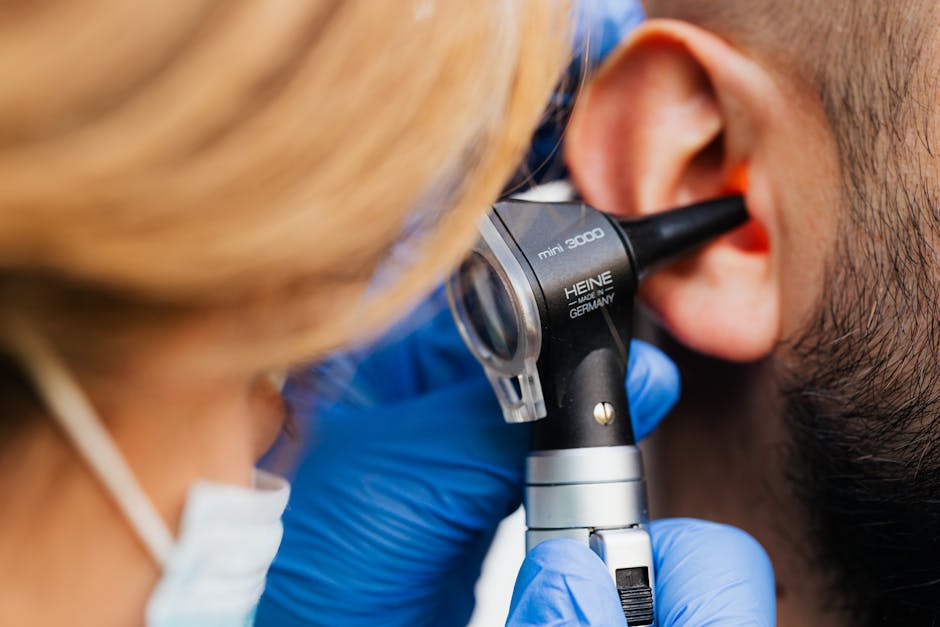
Physical examination of the ear canal. If I suspect ear infection, cerumen impaction, or other ear-specific causes, I need to look in there with an otoscope.
Red flag symptoms. If your vertigo comes with neurological signs, hearing loss, severe headache, or other warning symptoms, you need in-person evaluation and potentially emergency care.
So the pattern is: diagnosis and initial management often work online. Hands-on procedures and detailed physical examinations need to happen in the clinic.
How to Prepare for Your Video Consultation
Good preparation makes for a better consultation. Here’s what I recommend.
👉 Also read: Chakkar Aahar Kay Khave
Location: Choose a quiet room where you can sit comfortably and won’t be disturbed. Good lighting is important so I can see your eyes clearly. Make sure there’s space for you to move if I ask you to demonstrate symptoms.
Technology: Test your internet connection, camera, and microphone beforehand. Use a device where I can see your face and upper body clearly. A laptop is often better than a phone for this because the camera angle is better.
Documentation: Have your medical history written down, including past diagnoses, surgeries, medications, and allergies. Write down your symptoms: when they started, what triggers them, how often they occur, what makes them better or worse. This information helps immensely.
Questions: Write down the specific questions you want to ask. Sometimes in conversation people forget what they wanted to know. Having it written down makes sure we cover everything.
Symptom Demonstration: If possible, try to trigger your symptoms slightly before or during the consultation so I can observe them. Don’t overdo it, but sometimes seeing the actual symptom is helpful diagnostically. Be honest about whether you feel comfortable demonstrating.
Someone With You: Consider having a family member present, especially if you’re elderly or very anxious. They can help describe your symptoms and can hear the recommendations alongside you.
Recording: Ask if the consultation can be recorded. Some patients want to review what was discussed later, and having a recording is helpful for remembering instructions.
Privacy: Make sure you’re in a private space where you feel comfortable discussing your symptoms openly.
Instructions for Demonstrating Symptoms on Video
If your vertigo is triggered by specific movements, showing me those movements on camera is incredibly valuable. But do it safely.
The Dix-Hallpike: If you’re going to do this for me, have a bed or sturdy couch behind you. Sit on the edge, turn your head to one side, and slowly recline until your head hangs backward off the edge. Hold it for about 30 seconds. Watch for dizziness. If you get dizzy, sit back up slowly and wait for it to resolve. I’m watching your eyes for specific eye movements during this.
Head Turns: If your dizziness is triggered by turning your head, do slow head turns left and right while looking at the camera. Tell me if it provokes symptoms.
👉 Also read: Vertigo Specialist for Kolkata Patients — Dr. Prateek Porwal
Position Changes: If your symptoms come when you lie down or stand up, show me those movements. Go slowly and safely.
Bending Over: If bending triggers it, slowly bend forward and tell me what happens.
The Key Point: Go slowly, be near something safe, and communicate what you’re feeling. If you get too dizzy, stop immediately. We’re gathering information, but your safety comes first. Don’t trigger yourself severely just to show me.
Technology Used for Online Consultations
At Prime ENT Center, we use secure, HIPAA-compliant video platforms. Most commonly, this is through a dedicated telemedicine portal, though I can also do WhatsApp video calls if that’s more convenient for you. The platform is secure and your information is protected.
We have forms that you fill out before the consultation-these are simple digital questionnaires about your symptoms, history, and what you want to address. You can fill these out on any device, and they get sent to me before your appointment time.
During the consultation, video quality is important so I can see your eyes and facial expressions clearly. If the connection drops-which happens sometimes with Indian internet-we have a phone number to call so we don’t lose continuity.
After the consultation, I send you a summary email with the diagnosis, recommendations, exercises if applicable, and any lifestyle modifications discussed. If you need prescriptions, I can send these electronically to your local pharmacy. If you need imaging or other investigations, I’ll explain what’s needed and how to arrange it.
National Reach: Patients From Across India
One of the best parts of offering online consultations is that geography becomes irrelevant. I’ve consulted with patients from every major city in India and many smaller towns too.
A woman from Kolkata had vertigo that her local neurologist couldn’t diagnose clearly. She booked with me online, we identified BPPV, and she got the help she needed. A man from Hyderabad had balance issues for months. Through online consultation and subsequent exercises, his symptoms resolved. A patient from Kochi had tinnitus with mild dizziness; online consultation helped us understand the cause and develop a management plan.
The advantage for patients across the country is huge: you don’t have to travel to Lucknow to get an opinion from someone specialized in vestibular disorders. You get expert evaluation from your home.
👉 Also read: Vertigo Treatment Near Shahjahanpur — Expert BPPV Doctor
A software engineer from Bangalore has an interesting story. He developed severe vertigo but couldn’t take time off work and couldn’t travel easily. He booked an online consultation with me. I diagnosed BPPV and walked him through a self-administered maneuver modified for what he could safely do. He got 70% better from that. Then, when he had vacation time a few months later, he came in person for follow-up maneuvers and has been fine since. The online consultation got him started on the right path immediately.
Cost and Booking Process
Online consultations are more affordable than in-person visits since there’s no clinic overhead. Pricing is transparent and fixed. You know the cost before booking.
Here’s how to book:
Visit drprateekporwal.com and handle to the online consultation section, or call 7393062200 and tell the staff you want to book a video consultation. Provide your preferred time slots, and we’ll confirm an available appointment. You’ll receive a confirmation email with the consultation link, access instructions, and the pre-consultation questionnaire.
You can book consultations for specific days and times that work for your schedule. If you’re in a different time zone (many online patients are), we can usually accommodate that.
Payment is typically done online before the appointment, which reserves your time. If something comes up and you need to reschedule, we have a cancellation policy-usually allowing free rescheduling up to 24 hours before.
Common Booking Questions:
Do I need to book through my local doctor? No, you can book directly with us. You don’t need a referral.
Can I book emergency consultations? If you have severe symptoms or red flags, online consultation might not be appropriate. Call 7393062200 to discuss whether you need emergency in-person evaluation instead.
What if I don’t have good internet? Let me know when booking, and we can work with you on how to proceed. Sometimes a phone call consultation with screen share works.
Follow-Up and Continuity of Care
An online consultation isn’t a one-time thing. It’s part of ongoing care. If I prescribe exercises, we can have follow-up consultations to check progress. If you improve but then have questions, you can book another online session. If you eventually come in person for a procedure, the online history becomes part of your complete medical record.
This continuity matters. I see patients over time, not just for a single transaction. That familiarity helps me give better care and helps you get better results.
Real Patient Story: The Bangalore Engineer
Here’s a case that really illustrates why online consultation works.
A 32-year-old software engineer from Bangalore developed sudden vertigo one morning. He had a high-pressure job, deadlines approaching, and couldn’t take time off. He saw a local general physician who prescribed medicine. It helped a bit but he didn’t have a clear diagnosis. He was worried.
He contacted me through our website for an online consultation. During our video call, I took a detailed history. He described classic BPPV symptoms: vertigo when rolling over in bed, nausea, no hearing changes, sudden onset. I guided him to perform the Dix-Hallpike maneuver, observed nystagmus consistent with posterior canal BPPV, and immediately gave him confidence about the diagnosis.
Then came the challenge: I couldn’t do the Epley maneuver on him remotely. But I did something else. I prescribed specific vestibular exercises he could do at home, explained the condition thoroughly so he wasn’t anxious anymore, and arranged to follow up online in a week.
By the one-week follow-up, his symptoms were significantly better from the exercises. I guided him to do a modified self-administered maneuver with video observation. Within ten days of starting, his dizziness was mostly resolved.
Four months later, when he had vacation time, he came to Lucknow and I did the definitive Epley maneuver in person just to be thorough. But really, the online consultation and subsequent management had already solved his problem.
Without online consultation, he would have either continued on medication indefinitely or had to delay treatment until he could travel. The online option gave him immediate access to appropriate care.
What Happens After Your Consultation
You’ll receive written recommendations via email. These are specific to your case. If you’re getting exercises, they’ll include written descriptions and videos showing proper form. If dietary changes are recommended, there will be specific guidance. If medication is appropriate, you’ll know what to expect and when to call if side effects occur.
You’ll also have contact information for follow-up questions. If something’s unclear or you have issues, you can reach out. We don’t abandon you after the consultation; we’re here for support.
If in-person procedures are needed, you’ll have information about how to arrange that. Some patients travel to Lucknow for a day procedure. Others find a local ENT specialist nearby who can perform the maneuver once I’ve given them specific recommendations.
👉 Also read: Vertigo Doctor in Raebareli, Dr. Prateek Porwal, Hardoi
Common Questions About Online Vertigo Consultation
Is an online consultation as accurate as seeing you in person?
For diagnostic purposes and initial assessment, yes, it’s nearly as accurate. For performing procedures, obviously it can’t replace in-person care. But diagnosis and plan-making work well online.
Can I get a prescription through online consultation?
Yes, if appropriate for your condition. I can send prescriptions electronically to your pharmacist or provide you with an electronic prescription you can take anywhere.
How long does it take to get an appointment?
This varies with demand, but typically you can get an appointment within a week. We try to accommodate urgent cases faster.
What if I’m not comfortable with video calls?
We can do phone consultations, though they’re less ideal because I can’t see your eyes. But if you prefer phone, we can arrange it.
Can I be a patient for ongoing care after one online consultation?
Absolutely. You become a patient of record. Subsequent visits-whether online or in-person-are part of continuous care.
Is my information kept private?
Yes, we use HIPAA-compliant secure platforms. Your medical information is protected like any other medical data.
What if my internet cuts out during the appointment?
We have backup plans. Usually we’ll have a phone number to call so we don’t lose continuity. It happens occasionally with Indian internet and we’re used to it.
Can I bring a family member on the call?
Yes, absolutely. In fact, I often recommend it. Having someone else present helps explain symptoms and they can help remember recommendations.
Why Online Consultation Is Perfect for Vertigo
Vertigo is actually well-suited to online consultation in ways that some other conditions aren’t. Why? Because diagnosis comes heavily from history and observation. The tests I do for vertigo are mostly visual-watching your eyes, observing movements, asking you to perform specific tests yourself while I watch.
I don’t need to touch you or put equipment on you to diagnose vertigo. I need to hear your story, see your reactions, and observe specific movements. All of that works perfectly on video.
Plus, many people with vertigo are anxious about traveling and moving around. Being able to stay home during evaluation is genuinely helpful for them.
Ready to Book Your Online Consultation?
Get expert vertigo diagnosis and treatment plan without leaving your home. Dr. Prateek Porwal, specialist in vestibular disorders and BPPV, is available for video consultations nationwide.
Call/WhatsApp: 7393062200
Website: drprateekporwal.com
Tell us your preferred appointment time, and we’ll send you the booking confirmation with video link and pre-consultation questionnaire.
Medical Disclaimer: This article is for informational purposes and should not be considered medical advice. Online consultations are diagnostic and advisory in nature. If you have severe symptoms, sudden-onset dizziness, neurological symptoms, hearing loss, or other red flags, please seek immediate in-person evaluation or emergency care. The information provided is based on the author’s professional experience and current medical knowledge. Online consultation does not replace physical examination when clinically indicated. Results vary based on individual patient factors and the nature of their condition. Dr. Prateek Porwal and Prime ENT Center are not liable for any adverse effects or outcomes resulting from information in this article. Always consult with a qualified healthcare professional before starting any treatment regimen.
Frequently Asked Questions
What can be accomplished in an online vertigo consultation?
Online consultations are excellent for initial assessment and diagnosis when you describe your symptoms clearly. I can take a detailed history, understand your symptom patterns, and determine whether BPPV is likely or if you need to evaluate for other conditions. I can educate you about vertigo types and explain what diagnostic testing or maneuvers you need. However, what cannot be done online is performing the actual diagnostic maneuvers like the Dix-Hallpike test or treatment maneuvers like the Epley Maneuver, those require in-person evaluation. I can also review any previous imaging you have had and discuss whether additional testing is needed. A 48-year-old patient from Kanpur had an online consultation with me, I determined she likely had BPPV, recommended in-person evaluation, and after she came to the clinic, treatment resolved her symptoms completely.
Should I do an online consultation or come in person right away?
If you are experiencing acute, severe vertigo right now, come in person, treatment maneuvers work immediately and cannot be done online. If you have chronic mild dizziness that started weeks or months ago, an online consultation is reasonable to start. If you are not sure what is causing your dizziness or want expert guidance before committing to a clinic visit, an online consultation is helpful. Most of my patients with clear BPPV symptoms end up needing in-person treatment anyway, but a brief online consultation first can clarify what is needed and reduce unnecessary testing or specialist visits elsewhere.
Can you diagnose BPPV during an online consultation?
I can strongly suspect BPPV based on symptom description, but definitive diagnosis requires in-person examination. When you describe triggered vertigo with specific head positions, nausea, and a spinning sensation, I become quite confident it is BPPV. However, other conditions can cause similar symptoms. The Dix-Hallpike test I perform in person, watching your eye movements and observing nystagmus, is the gold standard for diagnosis. During an online consultation, I gather information, discuss differential diagnoses, and explain what testing you need. Then I can provide the actual diagnosis and treatment once you come in.
What should I prepare before an online vertigo consultation?
Have a quiet space where we can talk without interruptions. Have pen and paper to take notes. If you have had recent imaging like MRI or CT of the brain, have those reports available. Write down when your dizziness started, what triggers it, how long episodes last, and what you have already tried. If you have seen other doctors, have summaries of what they said. Think about whether your symptoms are constant or come and go. Prepare a list of current medications because some medications cause dizziness. All this information helps me give you accurate assessment and recommendations during the consultation.
How long does an online vertigo consultation typically take?
A thorough online consultation usually takes 20 to 30 minutes. I take time to understand your complete symptom history, ask detailed questions to narrow the diagnosis, explain findings, and discuss next steps. Rushed consultations are not helpful. I want to make sure you understand what is happening and have a clear action plan. After the consultation, I send a summary of our discussion and recommendations via email or message. If we determine you need in-person maneuver treatment or additional testing, I explain how to schedule that at my Lucknow clinic.
Can I get a treatment plan from an online consultation even if I don’t come in for the actual maneuver?
Partially. If your dizziness is likely BPPV and you understand what you need, I can explain Brandt-Daroff exercises or general vestibular rehabilitation exercises that you can start at home. However, the actual maneuver treatment really should be done in person by a trained professional. If you live far from my clinic in Lucknow and absolutely cannot come for in-person treatment, I can provide detailed exercise instructions, though results will be less complete without the maneuver. Ideally, people coordinate to come in for the maneuver, which takes one visit, then do exercises at home afterward. The maneuver itself is so effective that skipping it means missing the best treatment opportunity.
How do I schedule an online consultation with Dr. Prateek Porwal?
Contact my clinic at 7393062200 or through my website at drprateekporwal.com. Tell them you want an online consultation. We can schedule it at a convenient time, and I will send you a link for the video call. Payment is simple, and after the consultation, you will have recorded access to our discussion if you want to review it. I am based at Prime ENT Center in Lucknow, but I have successfully done online consultations with patients from across India. If after the online consultation you decide you need in-person maneuver treatment, we can schedule that immediately. Many patients find the online consultation helpful to understand their condition before committing to travel for in-person treatment.
What vertigo conditions can be diagnosed online versus which need in-person evaluation?
Online consultation is reasonable for suspected BPPV, chronic dizziness of unclear origin, post-traumatic vertigo questions, and medication side effect concerns. Conditions needing urgent in-person evaluation include sudden severe vertigo with other neurological symptoms, which could indicate stroke, hearing loss with dizziness, suggesting inner ear infection, or head trauma with vertigo. If you have any of those, do not wait for online consultation, come to the emergency department or contact me immediately for urgent in-person evaluation. Most uncomplicated BPPV cases, however, are fine to start with online consultation and proceed to in-person treatment as appropriate.
References
- Karatas M. Central vertigo and dizziness: Epidemiology, differential diagnosis, and common causes. Neurologist. 2008;14(6):355–364.
This article is for educational purposes. Please consult Dr. Prateek Porwal at Prime ENT Center, Hardoi for personal medical advice.
Dr. Prateek Porwal is an ENT & Vertigo Specialist with over 13 years of experience, holding MBBS (GSVM Medical College), DNB ENT (Tata Main Hospital), and CAMVD (Yenepoya University). He is the originator of the Bangalore Maneuver for Anterior Canal BPPV and has published research in Frontiers in Neurology and IJOHNS. Serving at Prime ENT Center, Hardoi.