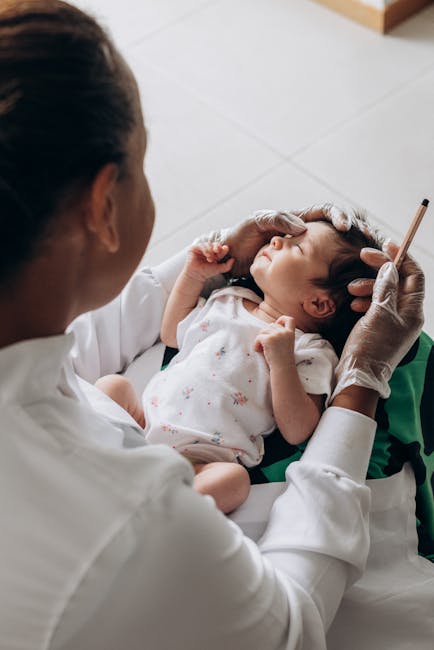
Vestibular migraine in children is something I see regularly in my practice. The most frustrating conversations I have in my Hardoi clinic are with parents who tell me their child’s dizziness has been dismissed as drama, bad behavior, or attention-seeking. “The doctor said it’s all in her head,” one mother told me. “We thought she was overreacting to avoid school.” But when I examined the child, the pattern was clear: vestibular migraine.

Vestibular migraine in children is one of the most underdiagnosed conditions in pediatrics. Many children are labeled as anxious or dramatic when they actually have a real neurological disorder. I want to change that by explaining what vestibular migraine looks like in children, how to recognize it, and how to treat it effectively.

How Vestibular Migraine Presents Differently in Children

Dizziness Without Headache

Here’s the key difference: most children with vestibular migraine don’t have prominent headaches. They complain of dizziness. They describe the room spinning, or themselves spinning, or feeling like they’re tilting. But there’s no headache, or the headache is very mild.

This confuses many doctors. They’re looking for “headache with some dizziness.” Instead, they see “dizziness with no significant headache” and think it’s not migraine.

I ask parents: “Does your child sometimes say the room is spinning? Does she hold onto things when walking? Does she feel unsteady or clumsy during these episodes?” When parents answer yes, and the dizziness comes episodically (not constantly), I know it’s likely vestibular migraine.

Vomiting as the Main Symptom

In some children, vomiting is the most prominent symptom. A child has an episode of dizziness that makes them so nauseous they vomit, then they recover. Parents often think it’s food poisoning or gastroenteritis. But when it happens repeatedly without any infectious cause, it’s vestibular migraine.

I look for the pattern: the vomiting comes in episodes, not continuously. Between episodes, the child is completely normal. Each episode lasts minutes to hours, then completely resolves. If vomiting is caused by infection, you’d expect other symptoms like fever or loose stool; with vestibular migraine, there’s only nausea and vomiting without other GI symptoms.

Dizziness During School and Social Situations

Many children report dizziness at school. They might tell a teacher they feel dizzy, then lie down and recover after 20-30 minutes. Or they might avoid certain school situations that they’ve noticed trigger dizziness — like playing in the sun or going on school trips.

Parents often misinterpret this as school avoidance or anxiety. “She’s making an excuse to skip school,” they think. But the dizziness is real. What’s happening is that the child has developed anxiety around attacks because the attacks are scary, not that anxiety is causing the dizziness.

Connection to Motion Sickness — An Important Early Sign

Many children with vestibular migraine have a history of motion sickness. They get car sick easily. They don’t like amusement park rides or swings. They feel dizzy on buses or trains.

Motion sickness in childhood can be an early sign of vestibular migraine vulnerability. I ask parents of children with new-onset vestibular migraine: “Was your child always motion sensitive?” Often, yes. The motion sensitivity was always there, and now vestibular migraine has developed.

👉 Also read: Vestibular Rehabilitation Therapy Guide

This history is helpful for diagnosis. A child with lifelong motion sensitivity who now has episodes of spontaneous vertigo, likely has vestibular migraine, not BPPV or anxiety.

Family History of Migraine

This is important for diagnosis. I ask: “Do any family members get migraines?” Often, yes. A parent with migraines, a grandmother with migraines, an aunt with migraines. Vestibular migraine runs in families.

If a child presents with episodic dizziness and has family members with migraine, vestibular migraine is very likely. Family history is one of the strongest indicators.

Impact on Schooling and Life

The real-world impact on these children is significant. A child having 2-3 attacks per week at school misses classes due to episodes. They miss field trips because they’re afraid of having an attack during them. They become anxious about having an attack in front of their peers. Their grades suffer because they’re worried about the next attack instead of focusing on studies.

In Hardoi, I see this especially during exam season. Stress from board exams or competitive exams increases attack frequency. A child who was having one attack per month during normal school suddenly has 3-4 attacks per week during exams.

One girl in her 10th standard was having attacks every day during exam preparation. Her mother was distraught. Once we started her on a calcium channel blocker and she experienced fewer attacks, she could actually study without fear. Her exam performance improved dramatically.

Why Vestibular Migraine in Children Gets Misdiagnosed

The result is that children go undiagnosed and untreated for months or years. They suffer unnecessarily. And their parents feel guilty because they thought the child was being dramatic.

Diagnostic Approach for Childhood Vestibular Migraine

Detailed History

I take time to understand the pattern:

Physical Examination

I perform balance tests, nystagmus assessment, and the Dix-Hallpike maneuver (which should be negative). I look for any neurological abnormalities. In uncomplicated vestibular migraine, the examination between attacks is usually completely normal.

Rarely Need Imaging

In children with clear history of vestibular migraine and normal examination, imaging (MRI) is not needed. I only order imaging if there are warning signs suggesting other diagnoses — like progressive neurological symptoms, abnormal reflexes, or focal neurological findings.

👉 Also read: a calcium channel blocker Vestibular Migraine Guide

Diagnostic Criteria

According to ICHD-3, pediatric vestibular migraine requires:

Treatment of Vestibular Migraine in Children

Lifestyle First

In children, I emphasize lifestyle modifications before jumping to medication:

Medications for Childhood Vestibular Migraine

a calcium channel blocker (Sibelium): This is my first choice for children. Dosing is. It’s effective, well-tolerated, and affordable. Takes 4-6 weeks to work. Side effects are minimal in children, though weight gain can occur. I monitor this carefully.

Cyproheptadine (Practin): This is sometimes used in children, especially younger ones. It’s an antihistamine with anti-serotonergic properties. Dosing is 2-. Less proven than a calcium channel blocker, but some children respond well. Side effect of weight gain, similar to a calcium channel blocker.

a beta-blocker medication (Ciplar): Can be used in children if they also have hypertension or anxiety. Careful dosing required; start very low and go slow. Takes longer to reach therapeutic levels but can be very effective.

a preventive medication (Topamac): Used in children with good results. But cognitive side effects are a concern in school-age children, so I use it cautiously. Reserved for children who don’t respond to a calcium channel blocker or cyproheptadine.

👉 Also read: Viral vs Bacterial Labyrinthitis: Know the Difference

a preventive medication (Tryptomer): Can be used in older children, especially if there’s associated anxiety or sleep issues. Low starting dose of 5-.

For acute attacks, antiemetics like anti-nausea medication or an anti-nausea medication are helpful if vomiting is present. Vestibular suppressants like a vestibular suppressant can provide relief during severe attacks.

School Accommodation and Support

I advise parents to inform the school about the child’s condition. The school should understand that:

👉 Also read: Chakkar Vertigo Bppv Vs Vestibular Neuritis

With understanding from the school, many children feel less anxious, which in turn reduces attack frequency.

Anxiety Component

After repeated attacks, many children develop anticipatory anxiety. They worry about having the next attack. This anxiety is secondary — it develops after the attacks, not before. But it’s real and needs to be addressed.

I counsel both child and parents:

In some cases, a therapist or counselor helps the child process the fear and anxiety. This is not because the migraine is caused by anxiety, but because the child needs support in dealing with the anxiety that developed as a result of the migraine.

Puberty and Adolescence

Vestibular migraine often worsens during puberty, especially in girls. Hormonal changes trigger increased attack frequency. Girls around menarche often have worsening of vestibular migraine.

This is important to warn parents about. A girl who had relatively infrequent attacks before puberty might have much more frequent attacks during teen years. Once she completes puberty and hormones stabilize, attacks often reduce again.

During teen years, medication support is often needed more than in pre-puberty. Once past late teens, medication can sometimes be reduced if attacks decrease.

Board Exams and Competitive Stress

This is a significant trigger I see repeatedly in Hardoi. Children preparing for board exams or competitive entrance exams (JEE, NEET, competitive school exams) have markedly increased attack frequency.

The stress is real. The sleep disruption is real. The irregular eating while studying is real. All of this combines to trigger frequent attacks.

I advise students:

With these measures, many students are able to manage their vestibular migraine and perform well in exams.

👉 Also read: Labyrinthitis, Sudden Vertigo and Hearing Loss Together

Long-term Prognosis in Children

The good news: most children with vestibular migraine respond well to treatment. With medication and lifestyle modifications, 70-80% of children achieve significant reduction in attack frequency. Some become attack-free.

As children grow older, some eventually outgrow vestibular migraine. Attack frequency decreases. By late teens or early 20s, some no longer need medication.

Others continue to have vestibular migraine into adulthood, but learn to manage it well.

The key is getting proper diagnosis and treatment early, so the child doesn’t suffer unnecessarily or develop secondary anxiety.


Frequently Asked Questions

Can a 6-year-old have vestibular migraine?

Yes, though it’s less common than in older children. Vestibular migraine can occur in children as young as 3-4 years old. In very young children, it often presents as episodes of vomiting or refusing to walk/play, with the vestibular component less obvious. Any child with repeated episodes of sudden dizziness, vomiting, or imbalance should be evaluated for vestibular migraine, regardless of age.

My child’s attacks come during sports or exercise. Does this mean the child can’t exercise?

Not necessarily. If attacks specifically happen during intense exercise in heat, avoid that specific activity. But regular moderate exercise (walking, cycling, swimming in cool water, non-competitive sports) usually helps and doesn’t trigger attacks. The key is finding which activities trigger attacks and which don’t. Exercise in general is beneficial for migraine management.

Should I keep my child home from school because of vestibular migraine?

No. Keeping the child home teaches avoidance and can increase anxiety. Instead, work with the school to provide accommodation. Let the child attend school, but allow them to rest if an attack happens. This maintains normalcy and reduces secondary anxiety about the condition.

Can vestibular migraine be confused with epilepsy in children?

Not usually, but sometimes. Vestibular migraine causes dizziness and nausea without loss of consciousness (unless the attack is very severe). Epilepsy involves loss of consciousness, muscle jerking, and post-ictal confusion. An EEG can help differentiate if there’s any doubt, but the history usually makes the distinction clear.

Is medication safe for long-term use in children?

a calcium channel blocker and cyproheptadine are safe for long-term use in children at prescribed doses. The main side effect to monitor is weight gain. Other medications like a beta-blocker medication and a preventive medication are also safe when properly dosed and monitored. Periodic check-ups make sure the medication is still needed and side effects are acceptable. Most children don’t need to stay on medication forever — often it can be discontinued after 6-12 months if attacks have resolved.

Will vestibular migraine in childhood become worse migraine in adulthood?

Not necessarily. Some children continue to have vestibular migraine into adulthood, but others outgrow it. Others develop typical migraine with headache instead of vestibular features. The course is variable. Early treatment and management in childhood often leads to better outcomes in adulthood than untreated vestibular migraine.


About the author: Dr. Prateek Porwal, MBBS DNB ENT, is a Senior Consultant ENT Surgeon at Prime ENT Center in Hardoi, UP. He completed advanced vestibular training at VAI Budapest in 2025 and specializes in dizziness disorders and vestibular migraine in both adults and children. He has helped hundreds of children across Hardoi and surrounding areas get proper diagnosis and treatment for vestibular migraine, improving their school performance and quality of life.

Need a consultation? If your child is experiencing episodes of dizziness or vertigo, call Dr. Porwal at 7393062200 or WhatsApp https://wa.me/917393062200. Visit the clinic at Prime ENT Center, Hardoi UP, or explore more articles at drprateekporwal.com


Medical Disclaimer: This article is for educational purposes only. It does not constitute medical advice or prescribing guidance. All medications mentioned should only be taken under the direct supervision of a qualified physician. Specific doses, durations, and drug choices depend on your individual clinical condition and must be determined by your treating doctor. If you experience severe symptoms, please seek immediate medical attention.

References

  1. Lempert T, Olesen J, Furman J, et al. Vestibular migraine: Diagnostic criteria. Journal of Vestibular Research. 2012;22(4):167–172.
  2. Fotuhi M, et al. Vestibular migraine: A critical review of treatment trials. Journal of Neurology. 2009;256(5):711–716.
  3. Ravid S, et al. Childhood migraine with vertigo. Pediatric Neurology. 2003;28(3):203–207.

Leave a Reply

Your email address will not be published. Required fields are marked *