
By Dr. Prateek Porwal, ENT Surgeon & Vertigo Specialist | PRIME ENT Center, Hardoi UP
Last Updated: February 2026 | VAI Budapest 2025 Award Recipient
Famous People with Vertigo: How Public Figures Manage This Common Condition
One of the reassurances I offer patients in my clinic is simple: you’re not alone. Vertigo doesn’t discriminate by profession, income, or status. Some of the most successful people globally have managed vertigo while maintaining high-performance careers. Their stories demonstrate that vertigo, while challenging, is treatable and manageable. Let me share the experiences of celebrities who have publicly discussed their vertigo journeys.
Janet Jackson: Vestibular Migraine and Performance

Image Source: FoxBusiness
In 2008, pop icon Janet Jackson had to postpone nine shows due to severe vertigo caused by migraine headaches. She experienced intense dizziness, imbalance, and couldn’t safely perform on stage. Jackson’s case is a textbook example of vestibular migraine, where vertigo becomes the primary symptom without necessarily presenting with a headache.
What I appreciate about Jackson’s openness is that it highlights how vestibular migraines can be unpredictable and severe. For a performer, the stakes are high—canceling shows means disappointing fans and financial loss. Yet she made the responsible choice to seek treatment rather than push through dangerous symptoms. This is the right approach to vertigo.
LeBron James: BPPV and Athlete Performance

Image Source: Olympics
NBA legend LeBron James has been open about his struggles with benign paroxysmal positional vertigo (BPPV). Players and commentators sometimes criticized him for appearing to fall or lose balance during games, but James attributed these moments to his BPPV. The inner ear crystals affecting his balance were real—and for someone whose career depends on precise body control and balance, BPPV is a significant challenge.
What James taught the world: BPPV is serious business, especially for athletes. The condition causes brief but intense episodes of vertigo triggered by head movements—exactly what happens during intense basketball play. His willingness to publicly discuss this helped normalize vertigo as a legitimate medical condition rather than a weakness or excuse.
Mark Cuban: Innovating Treatment for Vestibular Dysfunction

Image Source: CNBC
Entrepreneur Mark Cuban’s story is particularly interesting to me. He experienced severe dizziness and brain fog from a damaged otolith (the gravity-sensing structure in the inner ear). After months of searching for answers, he underwent treatment using a specialized rotary chair and eye-tracking technology designed to retrain his brain’s balance processing.
What’s remarkable: when he couldn’t access this equipment at home, Cuban didn’t give up. He innovated by creating a virtual reality-based treatment using VR goggles and a smartphone—a DIY solution that worked. Impressed by the results, he partnered with his doctor to patent the VR treatment program, hoping to make it accessible to more vertigo patients globally.
Cuban’s approach reflects what I admire about modern vertigo management: innovation, persistence, and the understanding that vestibular rehabilitation can take many forms. The principle—retraining the brain to process balance information correctly—remains constant, whether through traditional PT exercises or emerging technology.
Patrick Stewart: Persistent Vertigo and Adaptation
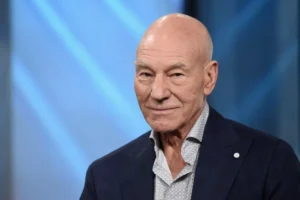
Image Source: Radio Times
Acclaimed actor Patrick Stewart revealed in 2017 that he had been struggling with persistent vertigo for eight months. He described feeling constantly dizzy, with symptoms only subsiding when lying down or driving. For an actor accustomed to precise physical control on stage and screen, this was profoundly disabling.
Stewart’s doctors worked with him to “reprogram” his brain—essentially what vestibular rehabilitation does. The process took time and patience. What I appreciate about Stewart’s story is his resilience: even while managing chronic vertigo, he continued working on projects like “Logan.” He didn’t let the condition define him or stop him entirely. This is the goal of good vertigo management—not necessarily complete symptom elimination, but adequate control to maintain quality of life.
Ayushmann Khurrana: Vertigo and Meditation

Image Source: Variety
Bollywood actor Ayushmann Khurrana has been candid about developing vertigo six years ago. His condition particularly affected him during filming sequences that involved heights or complex movement choreography. The anxiety of not knowing when vertigo would strike added another layer of challenge.
What Khurrana emphasized in interviews is the importance of medication combined with meditation and mindfulness. “If you are really calm inside, then this helps a lot,” he shared. This observation aligns with what I see clinically: stress and anxiety exacerbate vertigo symptoms, while psychological calm helps. His holistic approach—medical treatment plus stress management—represents modern best practice in vertigo care.
Jordin Sparks: Sleep Disruption and Social Support

Image Source: People
“American Idol” winner Jordin Sparks revealed that her vertigo once left her unable to sleep for four days—an experience that illustrates how vertigo disrupts more than just waking hours. Sleep disturbance is a common but often overlooked aspect of chronic vertigo. When you can’t lie down comfortably without triggering spinning sensations, sleep becomes difficult.
What was meaningful about Sparks’ experience: she reached out to her fanbase for support. By openly discussing her struggle, she helped normalize vertigo as a legitimate health challenge rather than something to hide. The supportive responses she received likely provided emotional relief—vertigo can be isolating, and knowing others understand matters psychologically.
What These Stories Teach Us
These celebrities’ experiences reveal several universal truths about vertigo:
- It affects high-achievers. Vertigo doesn’t care about your career success or status. Janet Jackson, LeBron James, Mark Cuban, Patrick Stewart—all had to manage this condition while maintaining demanding careers.
- It’s treatable and manageable. None of these individuals were permanently sidelined. With proper treatment, they continued their work and lives.
- The psychological component matters. Anxiety about vertigo can worsen vertigo. Stress management, meditation, and positive coping strategies enhance outcomes.
- Early intervention helps. Those who sought prompt medical care and began treatment quickly had better outcomes than those who waited or self-managed.
- Various treatment approaches work. From traditional vestibular rehabilitation to innovative VR treatments to stress reduction—there are multiple paths to improvement.
- Openness reduces stigma. By discussing their vertigo publicly, these individuals helped others understand it’s not weakness or a character flaw—it’s a treatable medical condition.
How These Celebrities Manage Vertigo
Common management strategies they’ve discussed include:
- Professional medical care from specialists
- Medications appropriate to their specific diagnosis
- Vestibular rehabilitation exercises
- Stress and anxiety management
- Lifestyle modifications and activity adaptation
- Psychological support and counseling
- Innovation and persistence in finding effective treatments
Your Path Forward
If you’re experiencing vertigo, remember: these celebrities didn’t let their condition permanently stop them. Neither should you. The first step is proper diagnosis. Many people suffer for years with undiagnosed or misdiagnosed vertigo when treatment could help significantly.
At PRIME ENT Center, I see patients from all walks of life who initially thought they’d have to live with vertigo. After proper evaluation and treatment, many experience dramatic improvement. Your vertigo is treatable. You deserve to explore those options.
FAQs: Vertigo and Achievement
Can I continue my career or activities if I have vertigo?
Yes. With proper treatment and management, most people with vertigo can continue working and pursuing their interests. Some temporary restrictions may apply during acute episodes, but long-term, treatment often allows normal activities to resume.
Is vertigo from stress or emotional causes?
Vertigo itself is not caused by stress or emotion, but stress and anxiety can worsen symptoms. Managing psychological well-being is part of comprehensive vertigo care.
Should I see a specialist for vertigo?
For persistent or recurrent vertigo, a specialist—particularly an ENT with vestibular focus or a neurologist—can provide more detailed diagnosis and specialized treatment than a general practitioner.
How long does treatment typically take?
This varies. BPPV may respond in one or two sessions. Vestibular rehabilitation typically takes 6-12 weeks. Chronic vertigo may require ongoing management. Your doctor can provide a timeline based on your diagnosis.
Can I return to sports or physically demanding activities?
Often yes, once your vertigo is controlled. However, certain activities may need temporary modification. Work with your doctor and therapist to create a safe progression back to full activity.
Experiencing vertigo or chakkar? Get diagnosed in one visit.
Dr. Prateek Porwal, ENT Surgeon & Vertigo Specialist at PRIME ENT Center, Hardoi UP — most cases treated in a single appointment. No long medication courses.
Call/WhatsApp: 7393062200 | Chat on WhatsApp