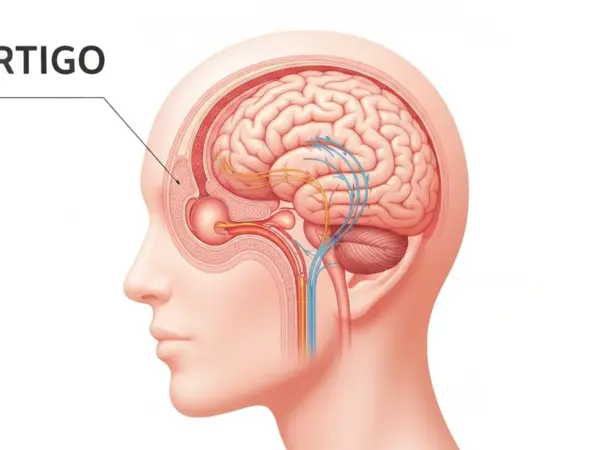
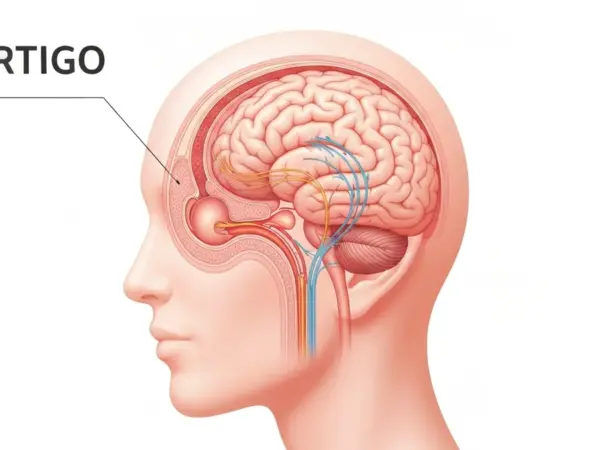
The Vertigo Medication Trap: Why Pills Make It Worse

vertigo medication trap dizziness pills

🎯 TL;DR (Too Long; Didn’t Read)

Main trap: Vestibular suppressants (antihistamines, benzodiazepines, anticholinergics) provide SHORT-TERM relief but PREVENT the brain’s natural healing process (central compensation)

72-hour rule: Suppressants appropriate ONLY for first 24–72 hours of acute vertigo attack; beyond that, they delay recovery by months

BPPV reality: Physical repositioning maneuvers (Epley, Semont) cure 80–90% of cases; NO medication can move ear crystals back to normal position

Rebound dizziness: Abrupt medication withdrawal causes temporary severe dizziness, BUT this is a sign the brain is waking up—not disease recurrence

Safe exit: Gradual medication taper + early mobilization + vestibular rehabilitation therapy (VRT) = true recovery (60–80% improvement)

Elderly risk: Suppressants dramatically increase fall risk, cognitive slowing, and drug-induced Parkinsonism in adults 65+

Action plan: If on dizziness pills >72 hours without diagnosis, ask for vestibular evaluation (Dix-Hallpike, HINTS) and supervised medication taper

Stop Calling Everything ‘Chakkar’: BPPV vs Vestibular Neuritis

chakkar vertigo BPPV vs vestibular neuritis

BPPV (Benign Paroxysmal Positional Vertigo): Seconds-long spinning triggered by specific head movements, caused by loose crystals in the inner ear. Treatable with Epley Maneuver (success rate 80-90%).

Vestibular Neuritis: Viral inflammation of the balance nerve causing persistent dizziness lasting hours to days. Self-limiting; recovery occurs with central compensation.

Posterior Circulation Stroke: Dangerous condition mimicking vestibular neuritis but identified by failing the HINTS exam (Head Impulse, Nystagmus, Test of Skew). Requires immediate emergency intervention.

Traveling with Vertigo? The 5-Minute Motion Sickness Hack

traveling with vertigo motion sickness hack

The problem: Motion sickness = sensory mismatch (inner ear, eyes, body position disagree)—brain interprets as “toxin” → triggers vomiting center

The 5-minute hack: Daily vestibular habituation (gaze stabilization X1, head movement drills) for 3–7 days BEFORE travel = brain recalibrates

Immediate travel trick: Sit in front seat + fixate on horizon (aligns visual + vestibular signals) = prevents nausea

Critical medication rule: Vestibular suppressants (scopolamine, meclizine) = max 1–3 days ONLY (longer use = permanent dizziness)

Special conditions require prep: BPPV = morning exercises; migraine = 48-hour dietary restriction; Menière’s = sodium reduction; PPPD = visual desensitization

Pharmacological backup: Scopolamine patch (most effective), meclizine (less sedating), ondansetron (for breakthrough nausea)

Recovery goal: Teach brain to accept motion = habituation = sustained travel confidence without medication

Famous People with Vertigo

LeBron James playing basketball — the NBA star reportedly experienced vertigo, illustrating that dizziness can affect even elite athletes

By Dr. Prateek Porwal, ENT & Vertigo Specialist | Prime ENT Center, Hardoi Last Updated: February 2026 | VAI Budapest 2025 Award Recipient Famous People with Vertigo: How Public Figures Manage This Common Condition One of the reassurances I offer patients in my clinic is simple: you’re not alone. Vertigo doesn’t discriminate by profession, income, […]

What is Vertigo?

Concept image representing tinnitus — ringing or buzzing in the ears — patient education for tinnitus management on drprateekporwal.com

By Dr. Prateek Porwal, ENT & Vertigo Specialist | Prime ENT Center, HardoiLast Updated: February 2026 | VAI Budapest 2025 International Award Recipient What is Vertigo? Understanding the Spinning Sensation Every week, I see patients in my Hardoi clinic who walk in looking genuinely scared convinced they’re either having a stroke or “going mad.” One […]

Vertigo and Travel

Person travelling representing the challenges of managing vertigo and dizziness while travelling — advice for vestibular disorder patients

By Dr. Prateek Porwal, ENT & Vertigo Specialist | Prime ENT Center, HardoiLast Updated: February 2026 | VAI Budapest 2025 Award Recipient Vertigo and travel — this is something my patients ask about constantly. Traveling with vertigo is challenging but not impossible with proper planning and understanding. Many of my patients ask: “Can I travel? […]

History of Vertigo

Historical medical illustration representing the history of vertigo understanding and treatment through the ages

By Dr. Prateek Porwal, ENT & Vertigo Specialist | Prime ENT Center, HardoiLast Updated: February 2026 | VAI Budapest 2025 Award Recipient History of vertigo — understanding how vertigo has been conceptualized and treated across history provides fascinating insight into modern medicine. Thousands of years ago, ancient physicians described spinning sensations and balance loss without […]

Vertigo Statistics

Growth chart with upward trend representing the rising prevalence of vertigo and balance disorders worldwide

By Dr. Prateek Porwal, ENT & Vertigo Specialist | Prime ENT Center, HardoiLast Updated: February 2026 | VAI Budapest 2025 Award Recipient Vertigo Statistics: How Common Is This Condition Really? These vertigo statistics show the condition is far more common than most people realize. When I review the latest epidemiological data in my clinic at […]